How large retail chains turn something as simple as a basket into an operational advantage
In large scale retail, almost nothing is trivial. What may seem like a minor detail in a single store can have a significant impact when multiplied across hundreds of locations. That is why choosing the right baskets for high traffic stores is not a matter of taste, but a strategic decision.
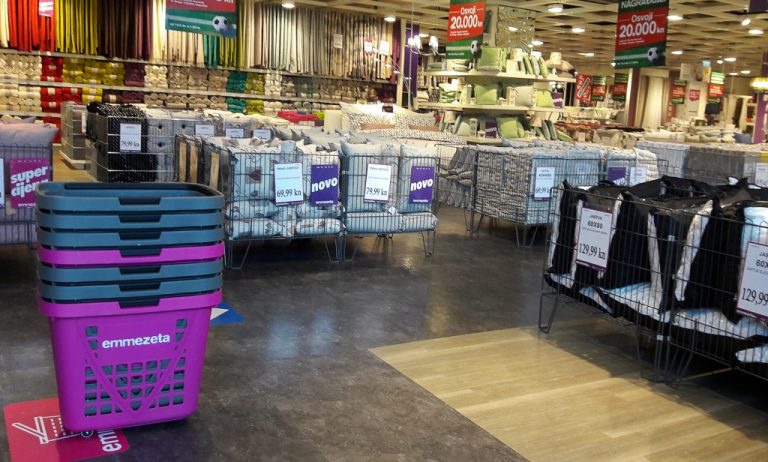
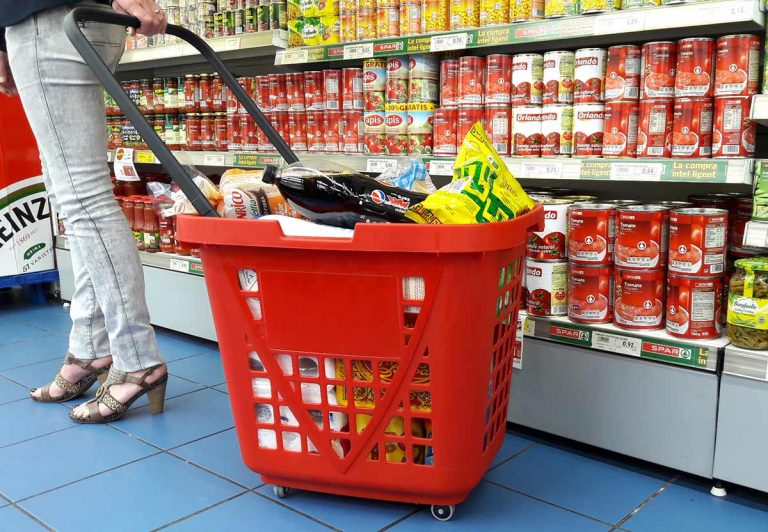
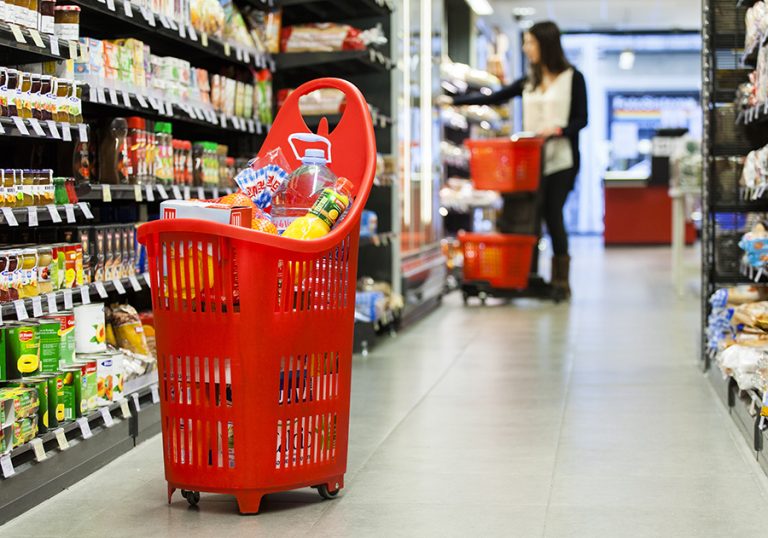
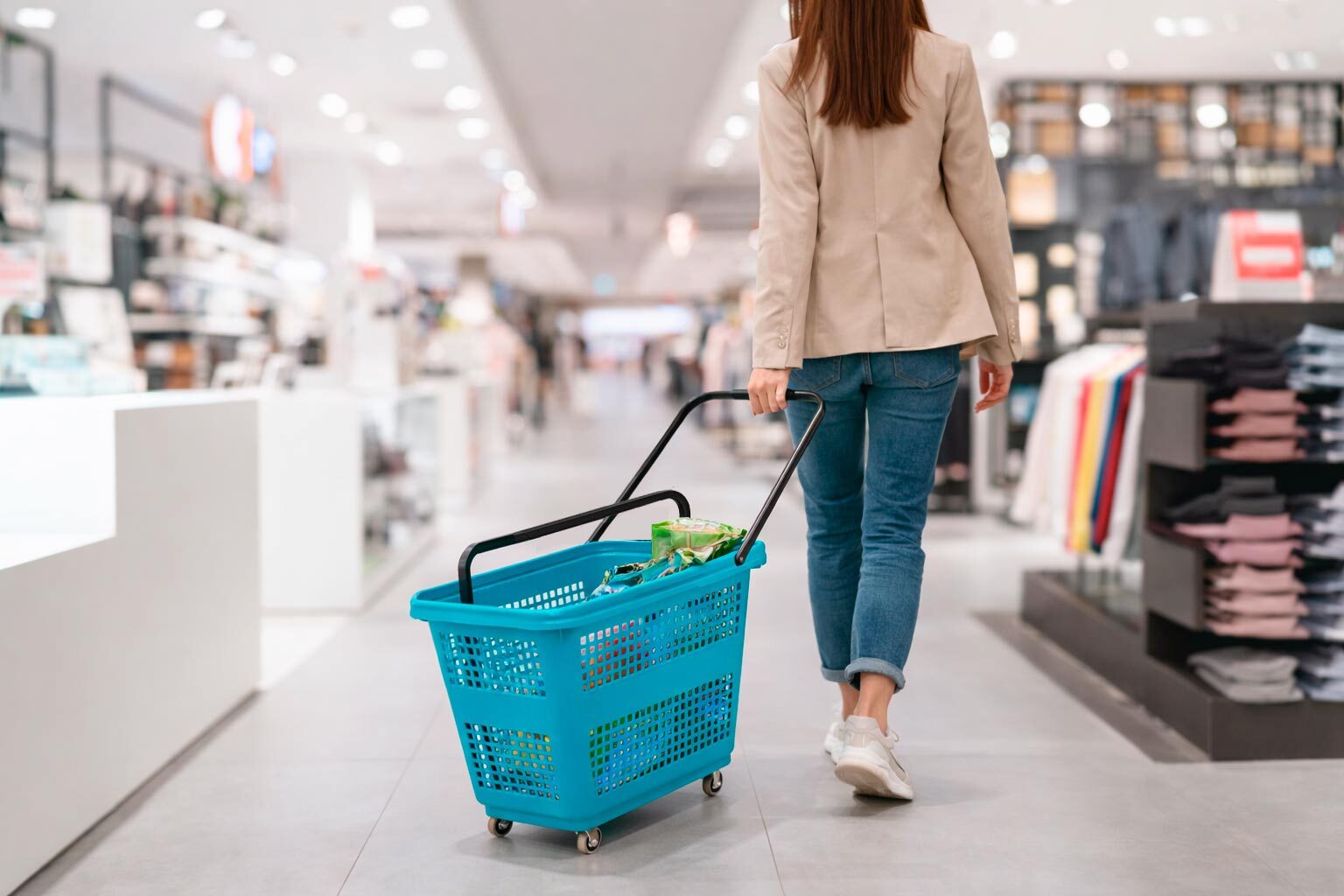
Baskets in high traffic stores stay with the customer throughout the entire shopping journey. Their design directly influences the experience, the pace of the visit, and the real purchasing capacity.
Things that seem obvious, and often are not
In many cases, conversations with purchasing and operations teams start with the same requests:
- “We want durable baskets.”
- “We need reliability.”
- “We are looking for a good price.”
These are logical requirements, but they are only the starting point. The real question is another one:
How does the design of baskets for high traffic stores affect day to day operational performance?

Hidden costs in high traffic stores
In chains with a high volume of customers, a poor choice of baskets for high traffic stores becomes visible very quickly, both for shoppers and for operations:
- Time lost by staff reordering baskets
- Constant breakage that forces frequent replacements
- Visual disorder at the store entrance
- Silent loss of sales when customers cannot carry everything they want
A basket that breaks easily, does not stack properly, or gets in the way in narrow aisles generates costs every single day. In high traffic environments, these problems are amplified.
It is not all about liters: the trap of nominal volume
One of the most common mistakes when choosing baskets for high traffic stores is focusing only on capacity measured in liters. Two baskets with the same nominal volume can behave very differently in real use.
The key is usable capacity, which depends directly on design:
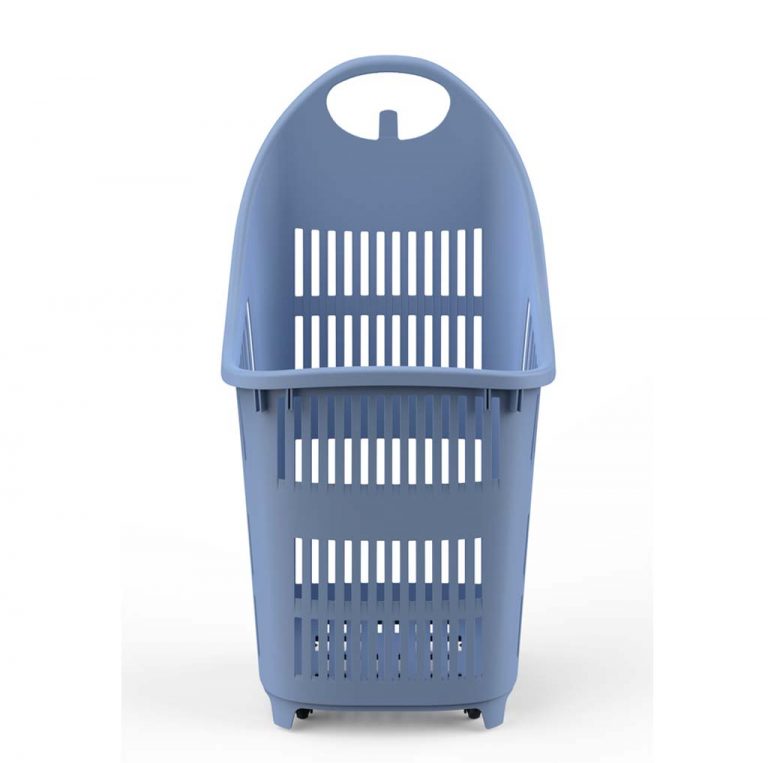
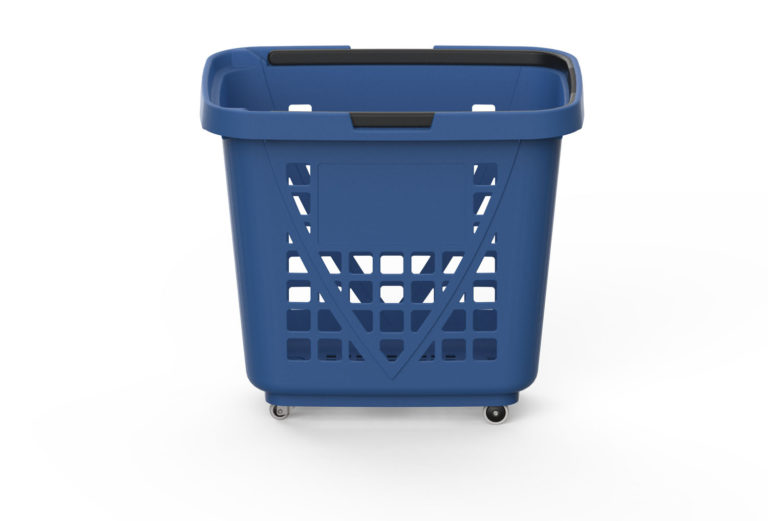
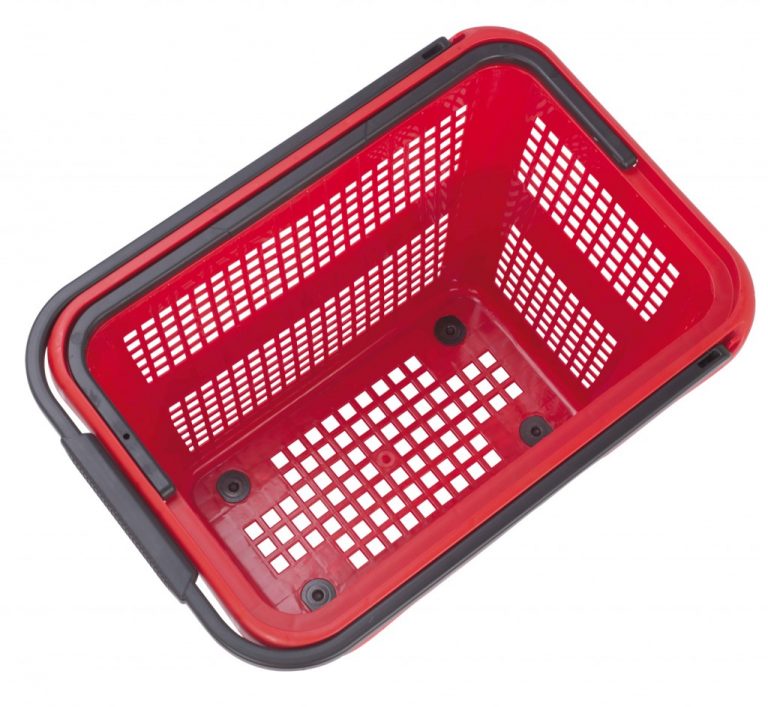
- Straight walls that allow large items to be carried efficiently
- A stable, flat base that prevents products from shifting or damaging each other
In stores with mixed baskets or bulky products, a well designed basket for high traffic use can make the difference between completing a purchase or cutting it short.
Aisle flow also sells
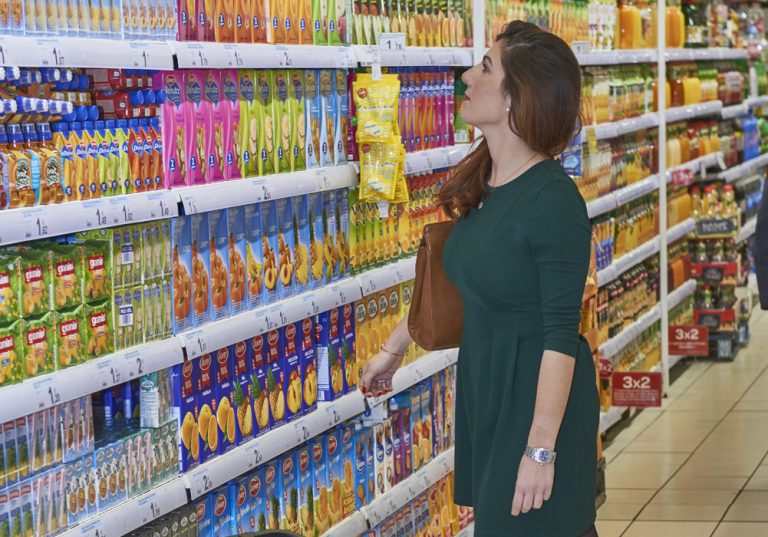
A good practice in busy stores is to measure customer flow inside the aisles. Shopper behavior changes depending on how fluid the journey feels.
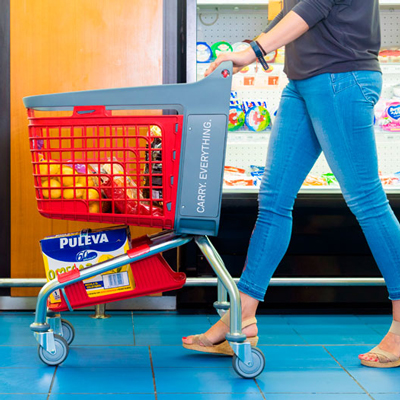
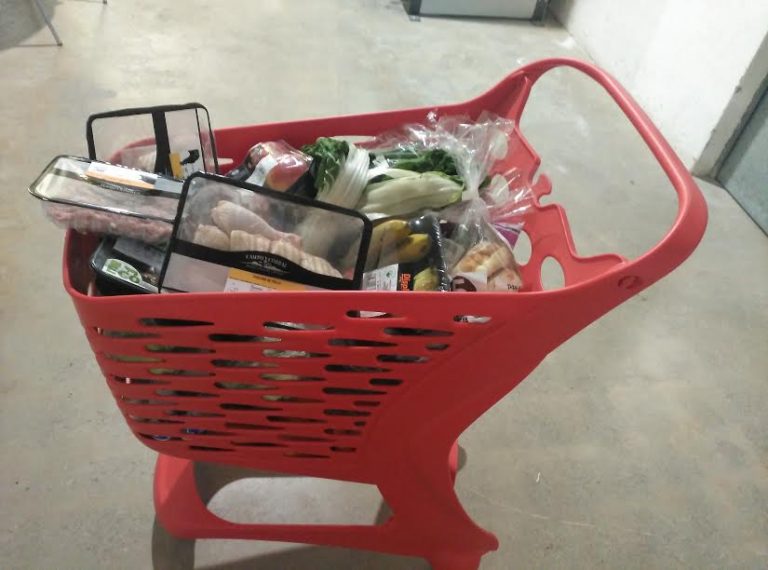
Baskets for high traffic stores that are too wide, have low quality wheels, or poor maneuverability block crossings in narrow aisles. During peak hours, these small frictions repeat constantly and push customers to rush their visit, notice fewer products, and reduce the number of items they buy.
In many cases, there is no need to redesign the store. Changing the type of basket or cart in use can be enough to improve flow.
Durability: where real savings are made over time
When volumes are large, the real cost of baskets for high traffic stores is not measured in euros per unit, but in years of use.
Durable baskets reduce:
- Constant replacements
- Internal logistics movements
- Disruptions for store staff
- Deterioration of the store’s image
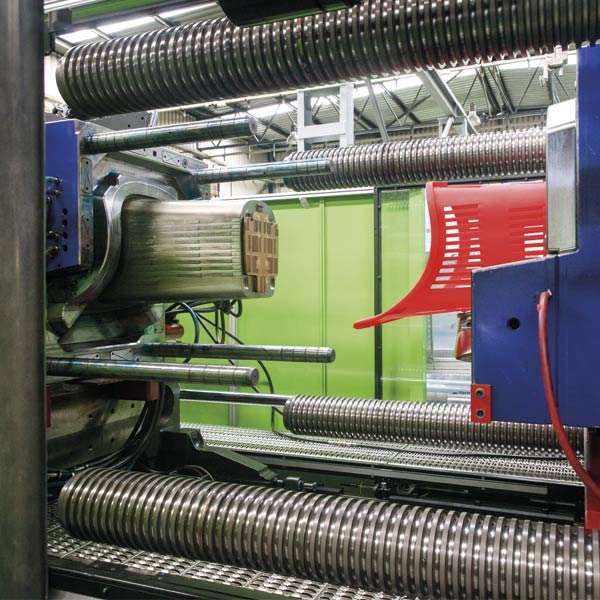
Monoblock designs, high quality plastics, and well engineered structural reinforcements extend service life for years. At that point, unit price takes on a very different meaning.
One basket for every format? A common mistake
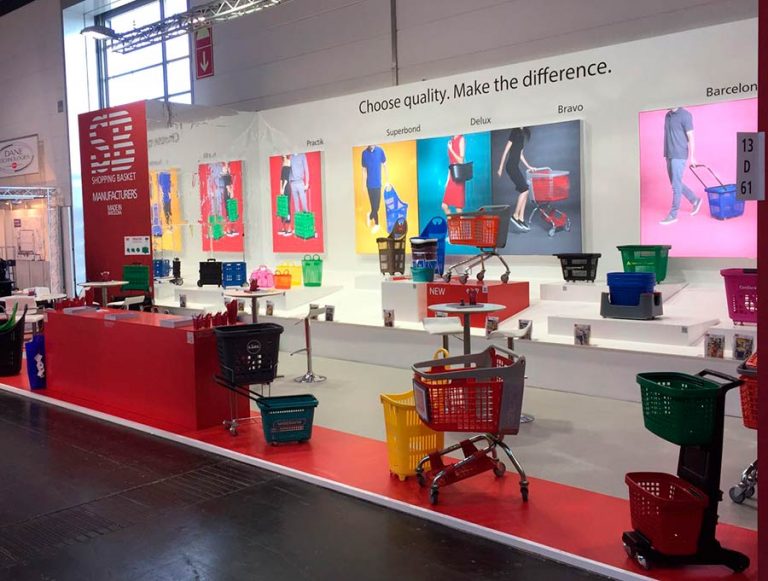
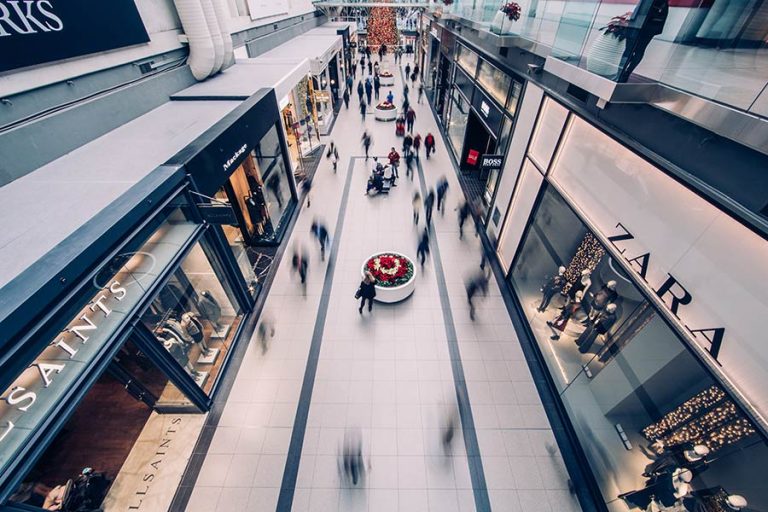
Many chains aim to standardize baskets for high traffic stores to simplify purchasing. However, a busy supermarket does not have the same needs as a convenience store, a home retailer, or a fashion store.
The ideal basket type changes depending on:
- store size
- product mix
- shopping mission
- traffic intensity
That is why at SB we help define basket strategies for high traffic stores that are adapted to each format.
From theory to the store floor
Our experience with large chains and complex operations allows us to align teams around three key ideas:
- What “performance” really means in their specific context
- Which trade offs are acceptable
- How to evaluate baskets for high traffic stores beyond price
For purchasing teams, this means clear specifications.
For operations, fewer daily frictions.
For store design, better flow and a better customer experience.
At SB, we know that the best results come from understanding how to choose the right basket for each operation and store size.
That is why we are available to help you find the best transport solution for your store.