The shopping experience: a key factor in increasing customer satisfaction and average ticket value
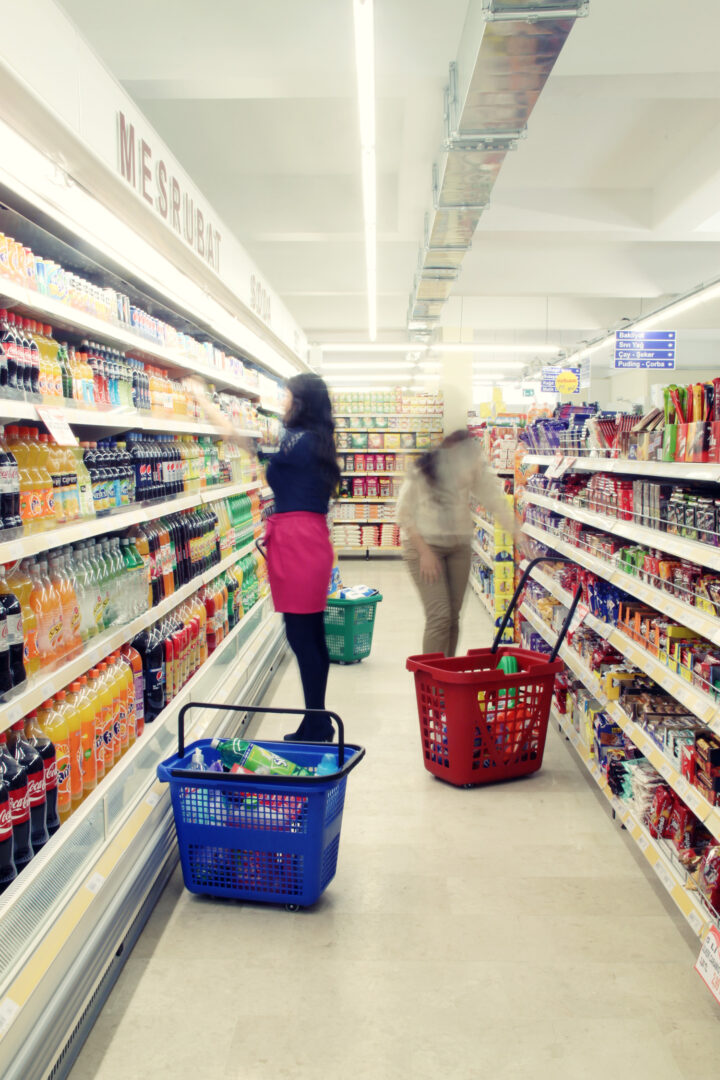
The shopping experience directly influences how customers perceive a store, how long they stay, and how likely they are to return. In retail, every detail of the journey matters: from lighting and layout to the comfort of the shopping basket or trolley.
Quick answer: why is the shopping experience so important?
The shopping experience is decisive because it turns a store visit into a comfortable, emotional, and efficient interaction. When customers can move easily, choose products freely, and carry their purchases comfortably, satisfaction increases, friction is reduced, and the chances of conversion and loyalty grow.
In an increasingly competitive retail environment, price is no longer the only factor that determines a purchase decision. Emotion, comfort, perceived quality, and ease of movement through the store have a major impact on consumer behaviour.
Several studies on purchasing behaviour show that a large part of buying decisions is influenced by emotional factors and that many choices are made directly at the point of sale. This explains why the shopper experience has become a priority for supermarkets, large retail stores, convenience stores, fashion chains, DIY stores, home decor retailers, and many other commercial formats.
The shopping experience is intangible, but its effects are very concrete: it affects customer satisfaction, time spent in store, average ticket value, recommendation, and the likelihood of repeat purchases. A customer who enjoys the journey shops with less friction; a customer who feels uncomfortable, confused, or limited may abandon the purchase or reduce it.
Key idea: a good shopping experience does not depend on a single element. It is the result of many coordinated decisions: product range, signage, accessibility, cleanliness, lighting, service, product availability, and the right equipment to carry purchases.

What factors influence the in-store shopping experience?
The customer experience begins before entering the store and continues after payment. However, within the point of sale there are particularly sensitive elements because they directly affect the comfort of the shopping journey.
1. Ease of finding and choosing products
A well-organised store reduces shopper effort. Clear signage, accessible aisles, logical category placement, and a coherent layout help customers find what they are looking for and discover complementary products without feeling lost.
2. Comfort throughout the journey
Physical comfort is an essential part of the shopping experience. If customers have to carry too much weight, manoeuvre with difficulty, or deal with noisy equipment, the visit becomes less pleasant. On the other hand, a basket or trolley that is easy to handle allows them to shop with greater freedom.
3. Perception of quality and trust
The condition of the equipment, cleanliness, order, and lighting all communicate information about the brand. Even before speaking to an employee, consumers are already interpreting whether the store is modern, reliable, comfortable, and customer-focused.
4. Agility in the purchase process
The experience also depends on how quickly customers can complete their purchase. Entry points, internal routes, checkout areas, access points, and self-service systems should support a smooth flow without generating unnecessary waiting times.
How shopping baskets and trolleys influence the shopper experience
Shopping baskets and trolleys are not just operational accessories. They are tools that accompany customers throughout almost the entire journey and shape their relationship with the store. When they work well, they are barely noticed; when they work poorly, they become a constant source of friction.
A trolley or basket has a basic function: helping consumers carry their purchases while keeping their hands free to choose products. But its impact goes much further. Ease of movement, capacity, ergonomics, stability, and noise level influence the time customers spend shopping and, therefore, the potential average ticket value.
When equipment supports the shopping journey, customers can add more products without discomfort. This is especially important in stores where the product range encourages impulse purchases, product comparison, or longer shopping routes.
| Equipment element | Impact on the customer | Potential effect on the store |
|---|---|---|
| Basket or trolley capacity | Allows customers to buy more products without discomfort or feeling overloaded. | May help increase average ticket value and reduce abandonment during the shopping journey. |
| Manoeuvrability | Makes it easier to move through aisles, corners, crowded areas, and checkout zones. | Improves store flow and reduces friction points. |
| Ergonomics | Makes shopping more comfortable, especially during longer visits or when carrying heavy products. | Increases satisfaction and reinforces the perception that the store cares about its customers. |
| Noise level | Contributes to a more pleasant and less stressful atmosphere. | Improves the overall perception of the commercial space. |
| Design and visual condition | Communicates modernity, cleanliness, and professionalism. | Strengthens brand image and trust in the point of sale. |
Retail examples: when equipment improves average ticket value
Major retail chains have understood that operational details can have a commercial impact. The case of Dillard’s is a good example: its Dillard’s Clearance stores managed to improve average ticket value after adopting the SUPERBOND vertical basket, one of the largest-capacity baskets on the market.
The same logic applies to chains such as IKEA, Zeeman, Century 21, and other retailers looking to make shopping journeys more comfortable, especially in stores where customers combine planned purchases, inspiration, and impulse buying.
For retailers, choosing the right basket or trolley is not just a logistics decision. It is a customer experience, operational efficiency, and point-of-sale profitability decision.
The physical shopping experience in the age of online sales
Online sales have changed the way consumers compare, research, and decide. However, the physical store still plays an essential role. Many decisions that end in digital channels begin in offline spaces, where customers touch, test, compare, and get inspired.
Consumer goods and retail chains know that their online stores are often fuelled by the connection created in the physical store. That is why retailers are adapting their spaces to turn visits into more complete experiences: better equipment, modern stores, carefully designed lighting, leisure areas, food spaces, and additional services.
Primark, for example, has invested in large-format stores with complementary services, such as themed cafés and beauty areas. IKEA and Leroy Merlin have also developed areas dedicated to personalisation, inspiration, and space planning. These initiatives show a clear trend: the physical store no longer competes only by selling products, but by offering a differentiated experience.
How to improve the shopping experience at the point of sale
Improving the shopper experience requires observing the full customer journey and identifying where friction appears. Some improvements may be visual or technological, but others are much more practical and can have an immediate impact.
Review the real shopper journey
It is important to analyse how customers enter the store, which areas they visit first, where they stop, where bottlenecks appear, and which products usually require more comparison. This observation helps adjust layout, signage, and available equipment.
Adapt baskets and trolleys to the store format
Not every store needs the same type of basket. A convenience supermarket, a fashion store, a large DIY retailer, or a discount store all have different needs. The key is to choose solutions with capacity, resistance, and ergonomics adapted to real shopping behaviour.
Reduce silent friction points
Some problems are not always verbalised by customers, but they still affect perception: wheels that do not turn properly, uncomfortable baskets, lack of available units, damaged equipment, or areas where it is difficult to manoeuvre. Solving these friction points improves the experience without requiring major structural changes.
Connect the physical experience with the omnichannel strategy
The physical store should strengthen the relationship with the brand, even when the final purchase takes place online. A good point-of-sale experience increases trust, improves brand recall, and can drive future purchases through any channel.
Conclusion: the shopping experience is a competitive advantage
Competing in retail requires more than price and product range. The shopping experience has become a decisive element in attracting customers, increasing satisfaction, differentiating the brand, and improving commercial results.
In this context, every detail matters. Store layout, customer service, lighting, signage, and shopping equipment all form part of the same perception. A comfortable, quiet, resistant basket or trolley that is well adapted to the store format may seem like a simple element, but it directly influences how customers experience their journey.
In short: both to compete with the online world and to complement digital sales, the experience inside the physical store is imperative. It is a consolidated trend and will remain a priority for retailers that want to sell more and build stronger customer loyalty.
Frequently asked questions about the shopping experience
What is the shopping experience?
The shopping experience is the set of sensations, perceptions, and conveniences a customer experiences before, during, and after purchasing a product. In physical stores, it includes factors such as atmosphere, service, layout, equipment, and comfort throughout the journey.
Why does the shopping experience influence average ticket value?
Because a comfortable customer spends more time in the store, explores more categories, and faces fewer barriers to adding products to the basket. When the journey is smooth, the possibility of additional purchases increases.
How can a shopping basket improve the customer experience?
A suitable basket makes it easier to carry products, reduces physical effort, improves mobility, and allows customers to keep shopping without feeling limited by weight or lack of space.
What should a good retail shopping basket offer?
It should provide enough capacity, be resistant, comfortable to use, easy to move, stable, and consistent with the type of store. It is also important for it to be quiet and maintain a good visual appearance over continuous use.
Is the physical store still important compared with ecommerce?
Yes. The physical store remains essential for inspiring customers, building trust, allowing product testing, and strengthening the relationship with the brand. Many omnichannel decisions also originate in face-to-face experiences.
 Sign up for our newsletter and be the first to receive our articles!