The Overlooked Lever to Improve the Shopping Experience by 20%
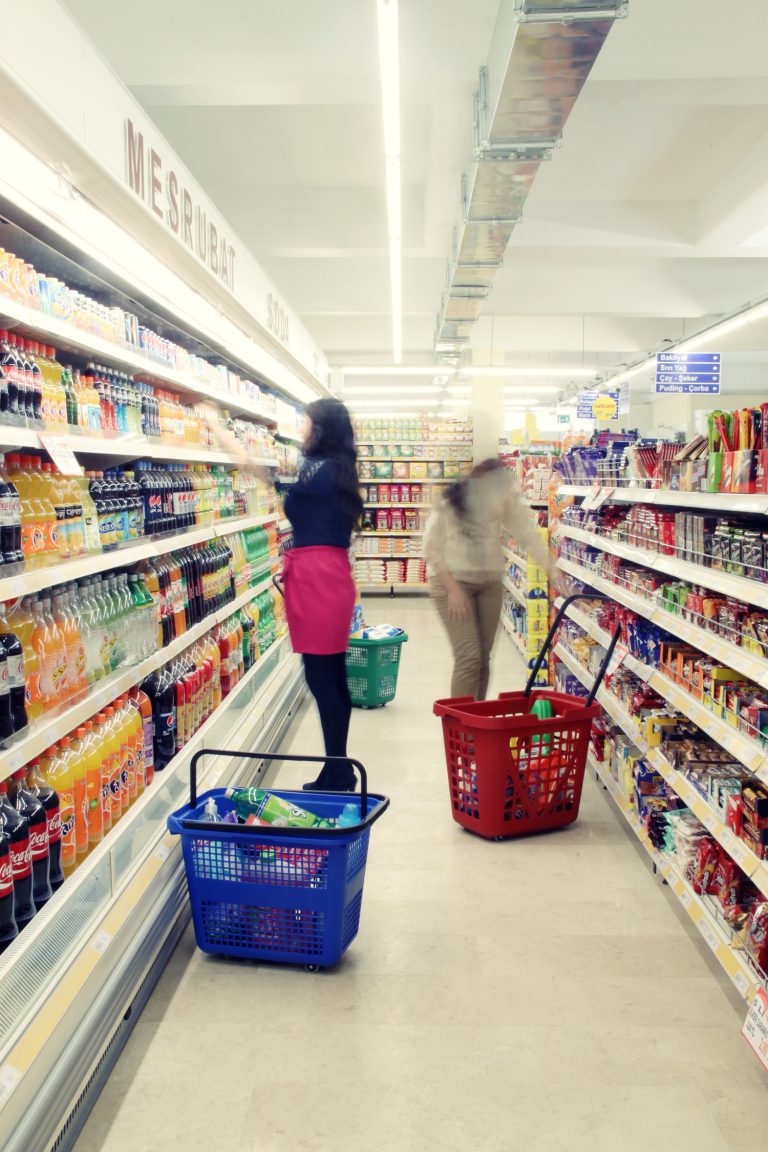
How to increase the average ticket with baskets and carts is a question many retailers associate with big interventions: redesigning the layout, upgrading lighting, or refreshing the store concept. Yet there is a far more immediate, affordable, and direct way to impact revenue: improving the baskets, rolling baskets, and compact carts that customers use from the very first moment they enter the store.
Store equipment directly shapes how shoppers move, how long they stay, and how much they are willing to carry. Optimizing ergonomics, wheel quality, and usable capacity can improve the shopping experience by 15–20% and, above all, increase the average ticket with better equipment without moving a single shelf.
1. Ergonomics: the first step to increase the average ticket with better equipment
An uncomfortable basket, poor handle design, vibration, uneven weight distribution, shortens the visit. The shopper simply gets tired and leaves earlier.
An ergonomic basket, on the other hand:
- reduces wrist strain
- distributes weight more evenly
- avoids pressure points
- supports natural movement
A well-designed ergonomic upgrade can extend time in store by 8–12%. More time means more browsing, and that directly helps increase the average ticket with better equipment, as customers explore more sections without fatigue.

2. High-quality ball-bearing wheels: the fastest way to increase the average ticket
For rolling baskets, wheel quality is everything. It’s not a minor detail, it’s a physical experience factor.
Ball-bearing wheels allow for:
- smooth rolling even at full load
- stable and controlled turns
- zero vibration
- significantly less shopper effort
When the basket rolls effortlessly, the main friction in long shopping missions, fatigue, disappears.
Field tests show:
- 15–20% less perceived effort
- +10% time spent in store
- greater freedom of movement
All of this supports the same objective: increase the average ticket with better equipment, not through promotions, but through comfort.
3. Usable capacity: when geometry sets the sales ceiling
Nominal capacity says little. What truly matters is usable capacity: how much product comfortably fits inside.
Many baskets lose real capacity due to steep walls, narrow bases, or intrusive reinforcements. When the basket “feels” full too early, the shopper unconsciously limits their purchase.
- increases the ticket by 10–18%
- reduces the feeling of overload
- enables more complete shopping missions
This is another direct way to increase the average ticket with better equipment, because the basket stops acting as an invisible limit.
4. Perceived space: how basket shape improves navigation
A basket that is too wide or has protruding elements makes aisles feel crowded, even when they aren’t.
Compact or vertical baskets improve:
- overtaking in aisles
- natural flow
- shopping rhythm
When customers move easily, they spend more time in store and make more confident decisions—another way to increase the average ticket with better equipment without touching the layout.
5. Choosing the right equipment for each store format and shopper profile
Different formats require different baskets and carts:
- Convenience: 18–32 L vertical baskets
- Mid-size supermarkets: 32–54 L ergonomic baskets
- Large stores: 70–91 L rolling baskets with ball bearings
- Fashion: lightweight and silent baskets
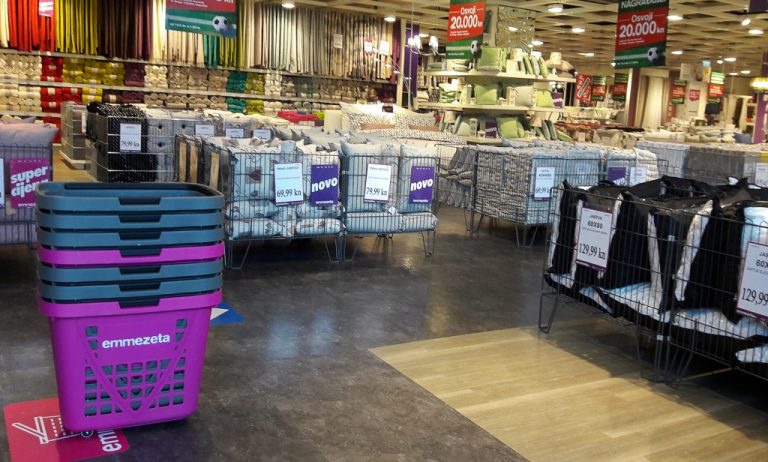
- Home & bazaar: stable baskets with robust wheels
- Picking / dark stores: maximum durability and efficient stacking
When equipment matches real shopper behavior, not assumptions, it becomes much easier to increase the average ticket with better equipment, because every customer shops in optimal conditions.
Conclusion
Increasing sales doesn’t always depend on promotions, pricing, or major renovations. Many retailers can increase the average ticket with baskets and carts simply by improving ergonomics, wheel quality, and usable capacity.
When customers feel comfortable, they:
- stay longer
- explore more
- carry more
- buy more
The result: a direct boost to the average ticket without structural investment, just equipment that works for the customer, not against them.