



Sustainable manufacturing in retail goes beyond material choice. It combines responsible production, resource efficiency, durability, and environmental control to reduce impact across the entire value chain.
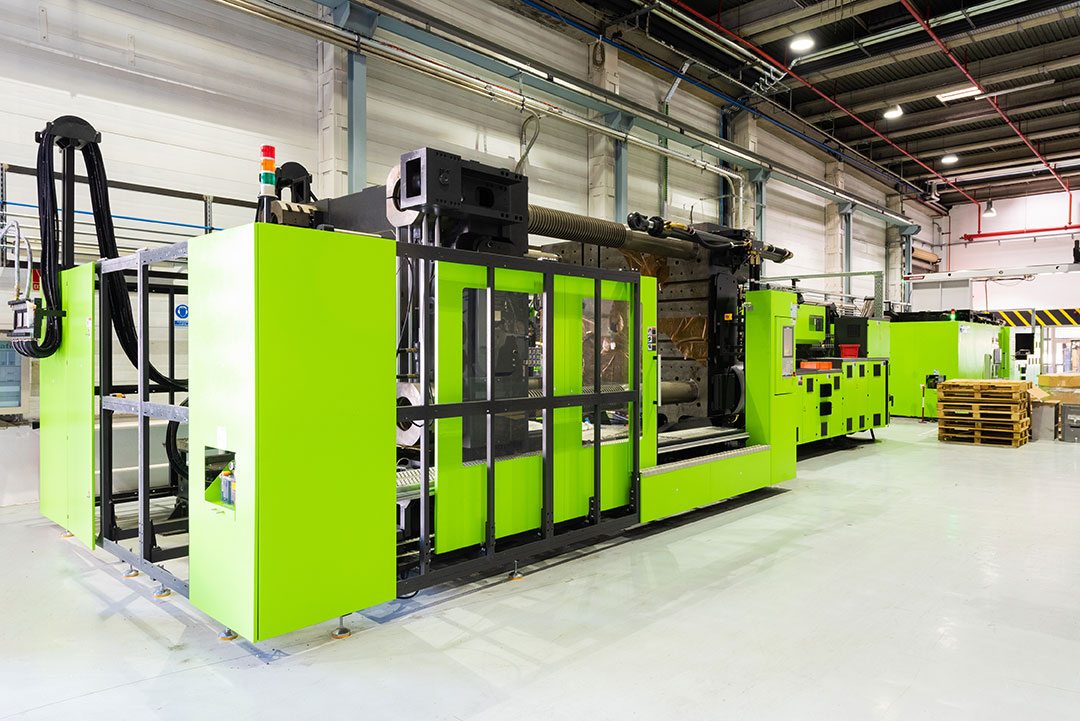
Manufacturing in Spain, under EU environmental standards, provides greater transparency, regulatory compliance, and tighter control over production processes. Local production also helps reduce transport-related emissions and supports a more efficient supply chain.
By prioritising long-lasting design and efficient manufacturing, retail solutions can deliver lower environmental impact without compromising performance or quality.
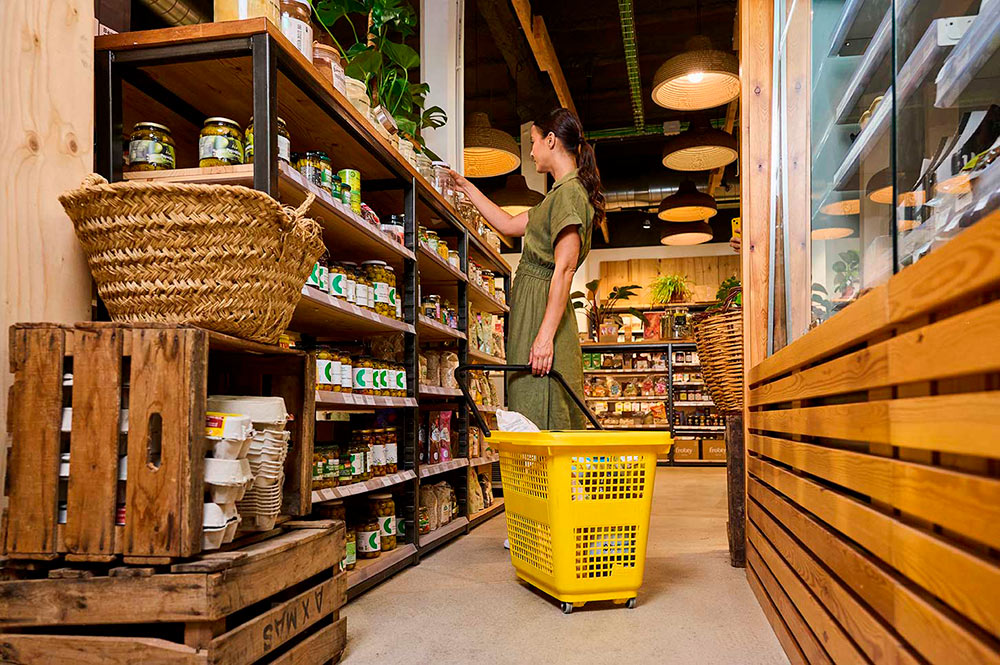
The most sustainable product is the one that lasts.
Durability reduces environmental footprint over time.
In retail environments, sustainability does not depend only on materials, but on design, durability, and the efficiency of the production process.
Sustainable manufacturing is not limited to the use of recycled materials; it also includes process control, energy efficiency, and waste reduction across the entire production process.
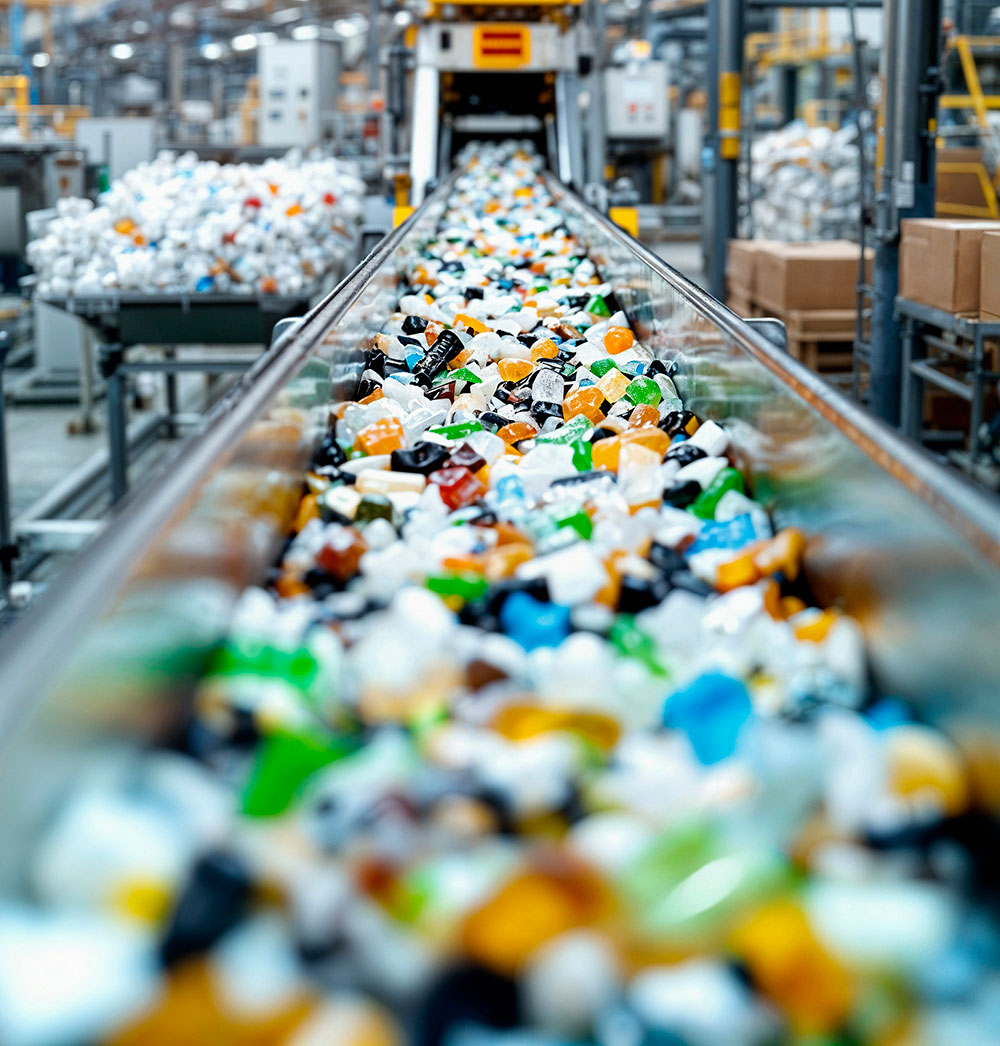



Sustainable manufacturing in retail consists of designing and producing equipment intended for multiple usage cycles, reducing the need for new materials, minimising waste, and optimising logistics throughout the entire supply chain.
It is reduced through process control, energy efficiency, optimised material usage, and the design of reusable products. In addition, design-for-disassembly criteria are incorporated, enabling easier material separation at the end of the product’s lifecycle and ensuring proper recyclability, especially in plastic components.
It reduces costs, minimises waste, and improves operational efficiency.
Because it helps meet regulatory requirements and improves the sustainability of the supply chain.
Yes. Recycled polymers can be integrated where technically validated without compromising durability or performance standards.
No. When properly controlled and tested, recycled materials maintain the structural integrity required for intensive retail environments.
Longer-lasting products reduce replacement frequency, lowering material consumption and transport emissions over time.
Yes. Manufacturing in Spain ensures compliance with European Union regulatory frameworks and environmental requirements.
Contact us to discuss how SB’s structured supply model can support your retail group across multiple European markets