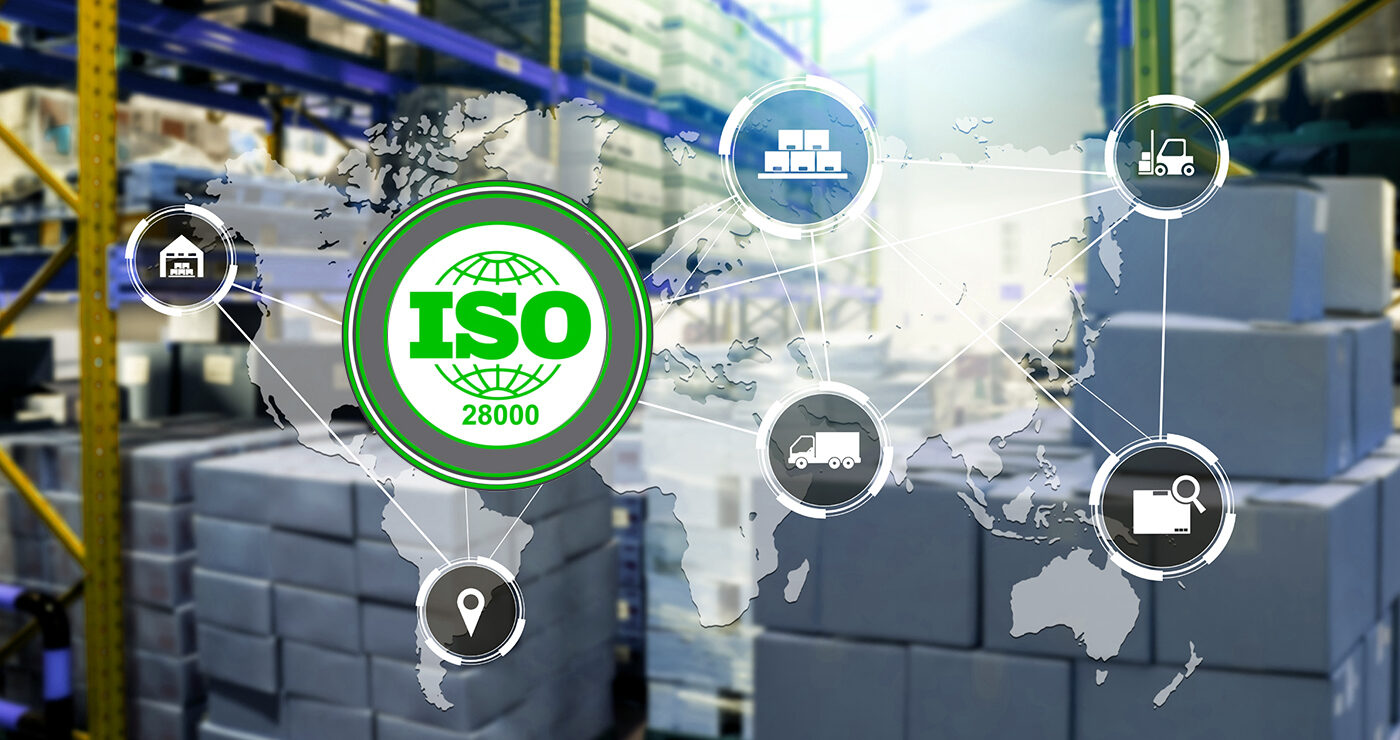
Talking about logistics security is easy. Living with it every day is something else. Anyone who has worked in warehousing, transport or distribution knows that a supply chain is a fragile organism. A small mistake becomes a delay; a delay turns into a complaint; a complaint leads to costs that never show up in any spreadsheet. That’s why, when discussing ISO 28000, it’s worth grounding the concept and focusing on what it actually delivers, the real benefits of ISO 28000.
ISO 28000 is not a slogan or a box to tick. It’s a practical way of working that helps things run more smoothly and with fewer unpleasant surprises.
What ISO 28000 really is
The standard defines how security should be managed across a supply chain. It’s not just about preventing theft; it’s about understanding where the weak points are, what can disrupt the flow, and which controls need to be in place for the company to operate with less uncertainty.
Instead of piling processes on top of each other, ISO 28000 asks for something much simpler:
- Identify your risks.
- Decide how you’ll control them.
- Make sure the team applies those controls.
- Check regularly whether the system works.

Why this standard exists
Supply chains have become fast, complex and, at times, too fragile. A single pallet can pass through several countries, multiple warehouses and many hands. With that level of movement, any failure multiplies.
And that’s precisely why the standard was created: to reduce everything that creates noise, loss or insecurity.
The benefits of ISO 28000 for the company
This is where the standard starts to show its real value. It’s less about complying with requirements and more about what stops happening (incidents, losses, mistakes) and what starts happening instead (more control, more order, more visibility). These are the benefits of ISO 28000 that companies actually feel.
A clear view of what’s really happening
Many companies believe their logistics are under control, but in reality operate through habits inherited over the years. ISO 28000 forces an honest X-ray of the system. It’s common to uncover risks that no one noticed simply because “we’ve always done it this way”.
That moment of clarity is already a major benefit: the grey areas disappear.
Fewer incidents
Once processes are reviewed and cleaned up, the number of surprises drops. Not all of them—no system is perfect—but the ones that disrupt shifts, trigger frantic phone calls or result in expensive quick fixes become far less frequent.
In logistics, an incident rarely comes alone. Reducing them improves several things at once.
Useful traceability
This means knowing, at any time, where a shipment is and which person, machine or procedure handled it. That trail is what allows teams to react quickly when something goes off track.
Traceability isn’t about storing data—it’s about understanding what’s actually happening.
Better protection of inventory and assets
The standard requires controlled access, monitored movements and recorded activities. Not just to prevent theft, but to avoid improper handling, internal losses or errors that seemed “normal” but weren’t.
When a company starts measuring, it discovers that many “natural losses” weren’t so natural.
Cleaner, healthier processes
You don’t need a huge department to feel the improvement. Sometimes it’s enough to reorganise flows, clarify roles and remove unnecessary steps. ISO 28000 forces that tidy-up exercise that many companies never find time for.
And it shows—in speed, in accuracy, and in the general calmness of operations.
The benefits of ISO 28000 for customers
In B2B, a certification only matters if it improves something for the buyer. ISO 28000 does.
More reliable deliveries
What customers value most isn’t the logo, the promise or the price—it’s that goods arrive when they’re supposed to. A supplier working under ISO 28000 fails less often and warns earlier if something goes wrong.
Fewer complaints
If picking, documentation or handling errors decrease, the customer gets exactly what they ordered.
Real traceability for audits or incidents
Certified companies can show how each shipment was managed. This reassures customers and helps resolve disputes in minutes, not days.
Lower risk across their own supply chain
If your supplier strengthens their logistics security, your supply chain becomes safer too. ISO 28000 works as a shared shield.
Easier compliance with their internal standards
Retailers, international operators and large chains often require solid security systems. Working with ISO 28000-certified suppliers simplifies audits and inspections.
Three examples that show the impact
All of them are real cases, with details adapted for confidentiality.
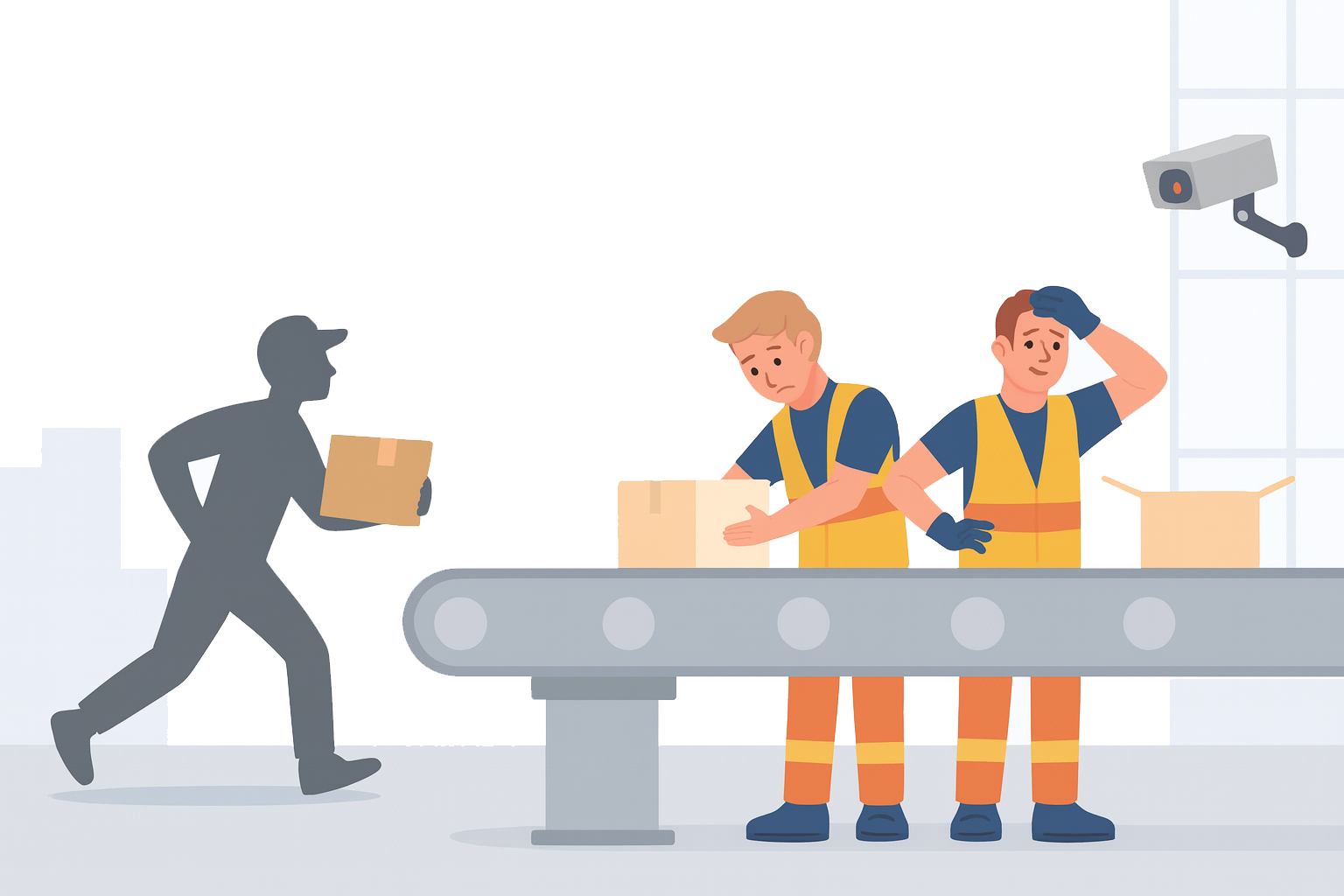
1. A busy warehouse with uncontrolled access
During implementation, they realised anyone could enter the picking area without being registered.
Results: After adding a simple access-control system, unexplained losses disappeared and complaints dropped. Not magic, just control.
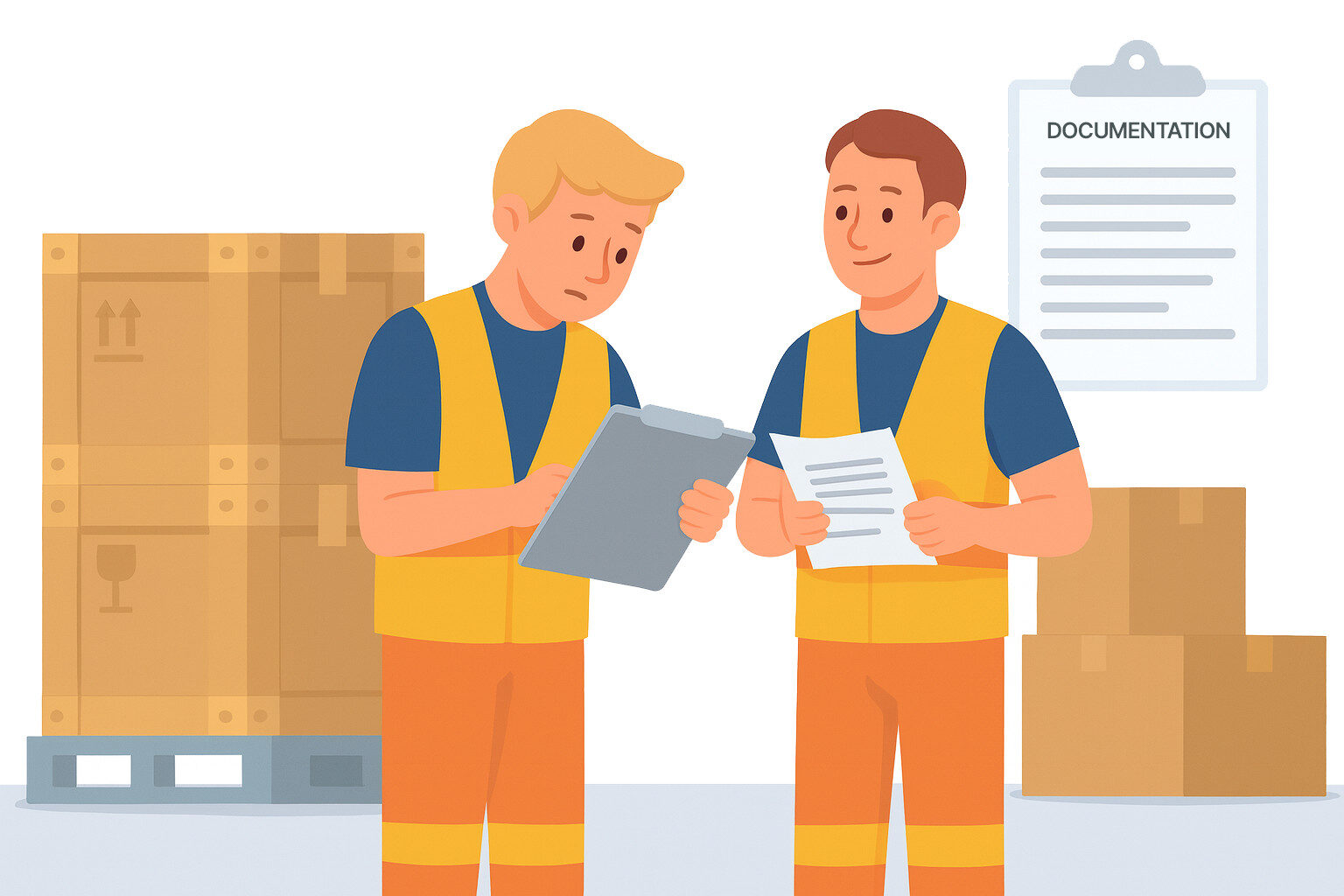
2. A manufacturer exporting outside Europe
ISO 28000 pushed them to review documentation and shipping procedures.
Results: Containers stopped getting held at customs due to formal errors. The improvement didn’t come from physical security, but from clean, consistent documentation.
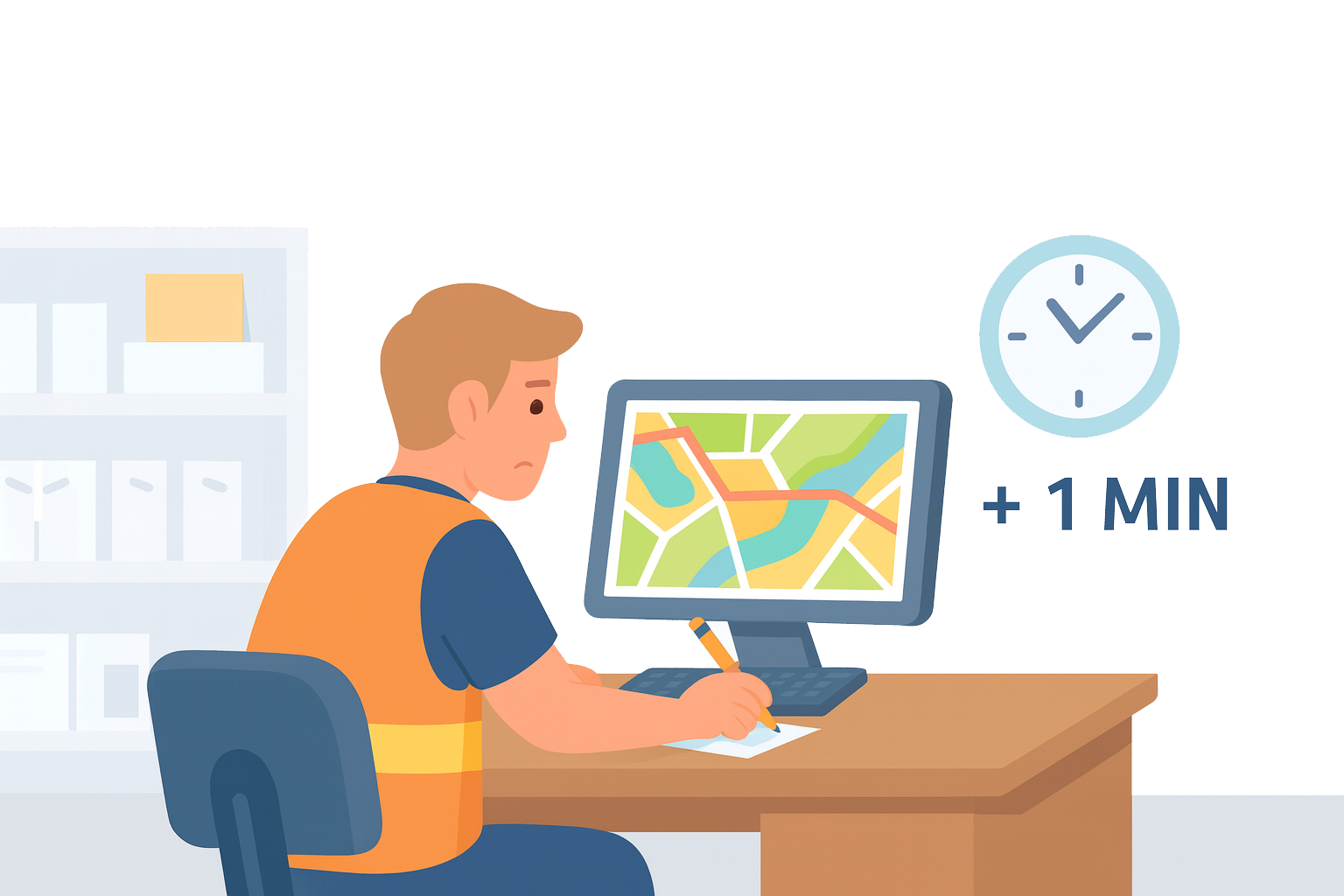
3. A regional distributor with frequent damage during loading
When mapping risks, the issue wasn’t transportation, it was rushing during route preparation. They adjusted the process and added one extra minute per pallet.
Result: the constant damages vanished. Sometimes improving security really is that simple.
What implementing ISO 28000 actually involves
In most cases, implementation looks like this:
- Reviewing real risks
- Defining controls for sensitive points
- Training the team
- Monitoring data and correcting as needed
- Documenting only what truly adds value
Continuous improvement isn’t decorative wording—it’s what makes the standard grow with the company.
A final thought
When a company announces it has ISO 28000, what matters isn’t the certificate—it’s the story behind it: what changed, which controls now exist, what benefits of ISO 28000 the customer receives, and how the organisation stops relying on luck for its logistics.
If that’s the mindset, the standard delivers its full value.
If not, it becomes just another framed certificate.