Retail Store Optimization to Improve Point-of-Sale Performance

Retail Store Optimization Through Total Cost of Ownership

Retail store optimization is essential to improve customer flow, increase basket size and reduce operational friction in modern retail environments

From supermarkets to fashion stores, in-store performance depends on how customers move, interact and complete their purchase journey. Equipment design plays a key role in this process.

Our shopping basket solutions are engineered to optimize store performance through better mobility, ergonomics and durability. The acquisition cost represents only a portion of the total operating cost.


The total cost of ownership includes:


Optimización de Tiendas Retail a Través del Coste Total de Propiedad​

How Product Lifespan Impacts Retail Store Performance

Designed for Intensive Retail Usage

Replacement Frequency Impact

Lower replacement rates result in:

  • Reduced procurement cycles
  • Lower logistics cost
  • Decreased operational disruption
  • Improved budget predictability
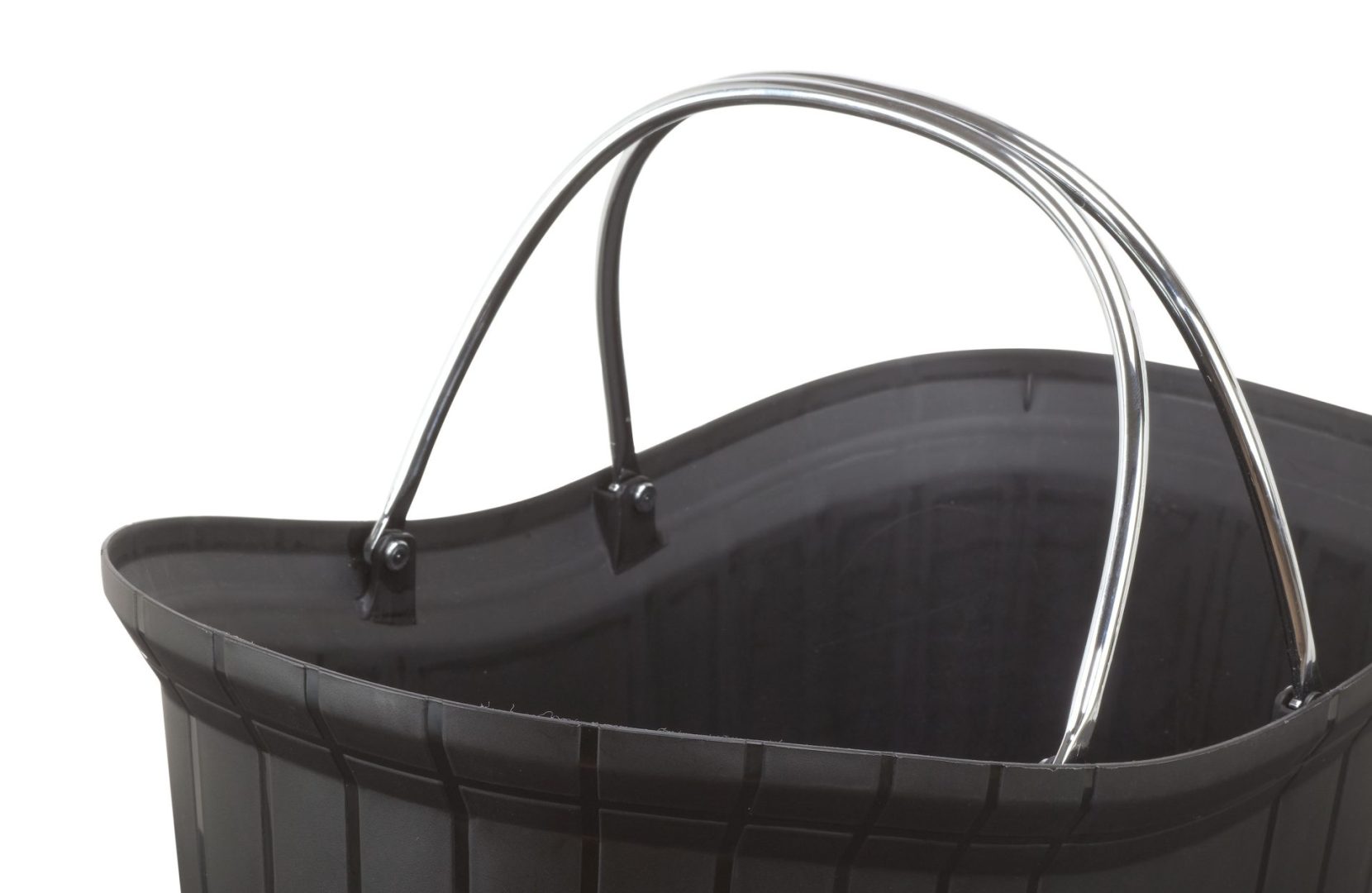
delux-handles-black
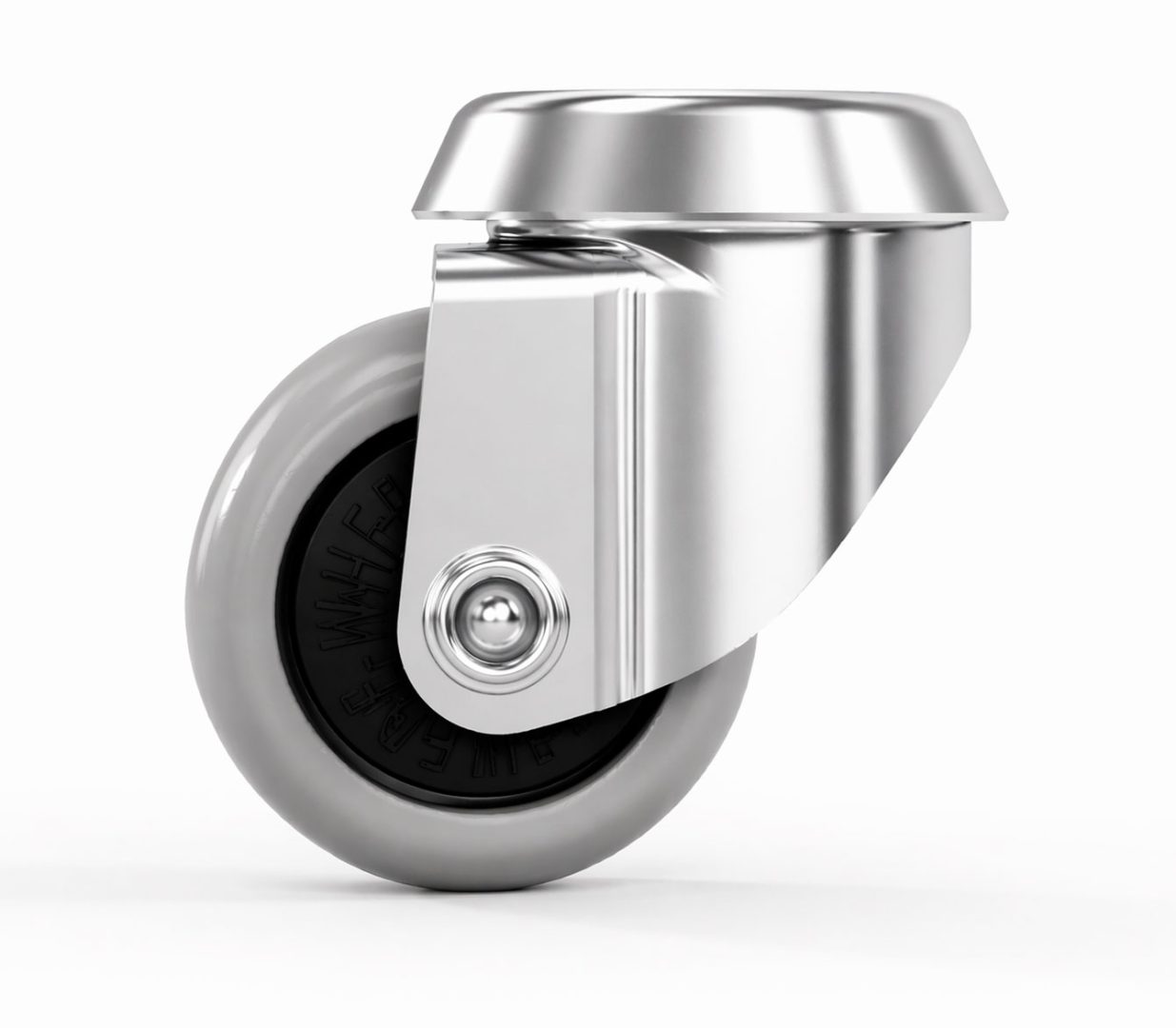
retail-store-optimization-wheel

Durability vs Initial Price in Retail Store Optimization

Short-term price comparison often overlooks:

  • Product lifespan
  • Load resistance
  • Wheel wear performance
  • Structural stability over time

Higher durability can generate lower annualized cost per unit.

Low-Noise Mobility Systems for Better In-Store Experience

Mobility quality influences lifecycle cost and operational efficiency.

01

Polyurethane-coated wheels reduce wear and significantly reduce noise levels in-store.

02

Reduced rolling vibration

03

Up to 20% lower noise compared to standard plastic wheels

04

Lower long-term maintenance requirements

Material Selection for Durable Retail Store Equipment

Plastic injection solutions provide:

01

Corrosion resistance

02

Lower weight

03

Reduced maintenance complexity

04

Structural durability under repeated use

05

Impact resistance without permanent deformation

06

Maintains wheel alignment

07

No damage to walls or furniture

08

Up to 3x longer lifespan compared to metal alternatives

How to Reduce Annual Retail Equipment Costs per Store

Replacement frequency directly impacts annual equipment budget. Key variables:

Number of baskets per store

Defines initial investment and total asset volume required to support store operations efficiently.

Store traffic level

Higher traffic increases usage intensity, directly impacting wear rate and replacement needs.

Average product lifespan

Longer lifespan reduces replacement frequency and lowers total cost of ownership over time.

Replacement cycle

Optimized replacement cycles ensure operational continuity while controlling annual equipment costs.

Frequently Asked Questions about Retail Store Optimization

About our supply chain and risk management model

Why is initial price not the main cost factor?

Because long-term durability and replacement frequency determine the real lifecycle expense.

Greater durability reduces the need for replacement, lowering the total cost of ownership over time.

Not necessarily. An optimized design can reduce wear, minimize maintenance, and improve operational efficiency.

By analyzing in-store traffic levels, intensity of use, and the product’s average lifespan.

Drive Collaboration

Contact us to explore how SB’s structured supply model can support your retail operations across multiple European markets.