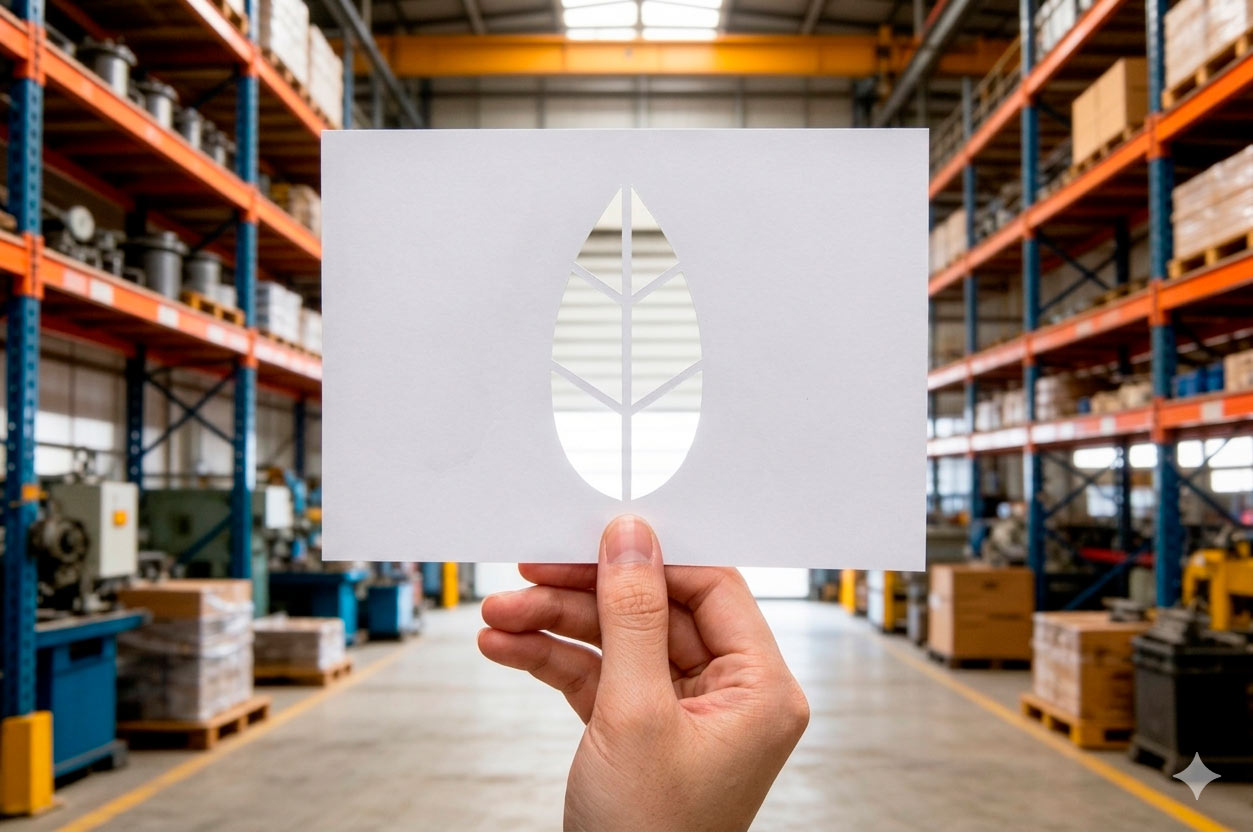
Circular Economy in Retail

Reuse and Product Lifecycle

What is the Circular Economy in Retail?

The circular economy in retail is a model based on product reuse and lifecycle control to reduce waste and optimize resources.

Unlike single-use systems, it keeps products in use for longer, improving efficiency and sustainability across the supply chain.

This approach is directly linked to sustainable manufacturing in retail, where the processes that enable waste reduction from the source are defined.

Economía-Circular-en-Retail

Designed for Long-Term Use

SB baskets and trolleys are designed to provide extended product lifespan in high-rotation retail environments.

  • Reinforced structural design
  • Impact-resistant materials
  • Tested and controlled deformation performance
  • Reduced replacement frequency
  • Spare parts supply for critical components, such as wheels, avoiding full product replacement

Lifecycle control, combined with the availability of spare parts, extends product lifespan, reduces waste, and minimizes the need for replacement in retail environments.
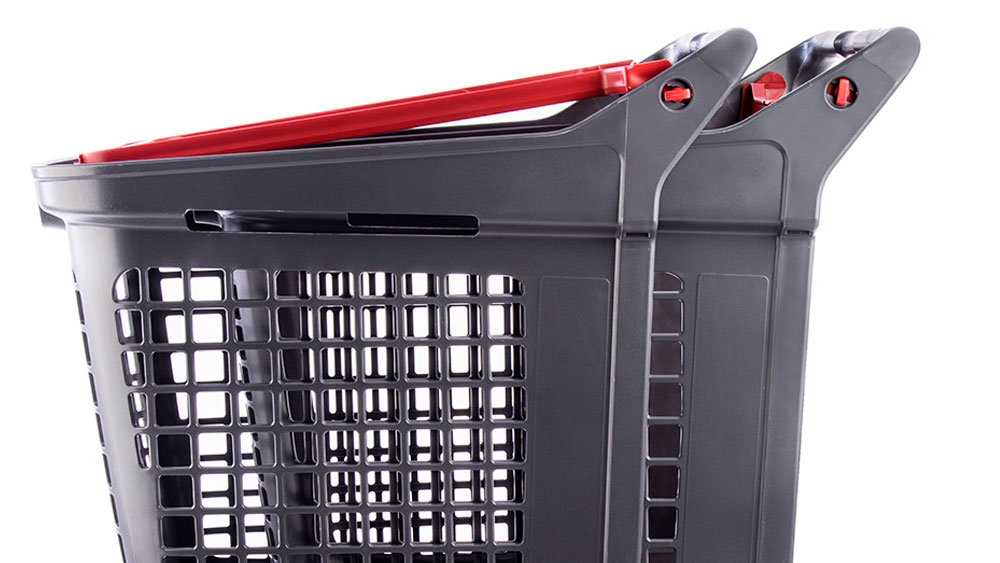
up80-sb

Smart Reuse Solutions for Modern Retail

Reusable Retail Systems

Physical shopping solutions designed to remain in circulation for many years.

  • Reusable basket systems
  • Silent and durable wheels
  • High-quality PP plastic
  • Optimized stacking solutions

Extended usage cycles reduce operational waste.

Closed-loop Operating Models

Retail environments are increasingly adopting structured reuse programs.

Our solutions include:

  • Deposit-based basket systems, reusable for Click & Collect and internal warehouse circulation.

Reusable systems reduce reliance on disposable alternatives.

Compatibility with Click & Collect and Drive

Reusable basket solutions are adaptable to:

  • Order preparation environments
  • Deposit-based systems
  • Multi-use logistics within retail networks

Structured reuse improves operational efficiency and reduces reliance on single-use packaging.

Plastic Injection Manufacturing Infrastructure

Advanced injection systems, structured mold management, and process control standards ensure consistent quality at scale.

Material Circularity and Reprocessing

When technically validated, materials can be reintroduced into production cycles.

  • Controlled integration of recycled polymers
  • Performance validation in reuse scenarios
  • Extended lifecycle management

Circularity must preserve structural integrity and durability standards.

Operational Impact of Reuse

Circular systems contribute to:

  • Reduced material consumption over time
  • Lower transport frequency associated with replacements
  • Improved inventory predictability
  • Controlled lifecycle costs

Sustainability and operational discipline go hand in hand.

Frequently Asked Questions

How do reusable systems work in retail?
Reusable systems allow the same product to be used across multiple usage cycles. Through lifecycle control, maintenance, and component replacement, product lifespan is extended and environmental impact is reduced.
Product lifespan is extended through durable design, the use of resistant materials, and the maintenance of key components. The availability of spare parts, such as wheels, helps avoid full product replacement.
Reuse reduces long-term costs, minimizes waste, and improves operational efficiency. It allows for less frequent replacement and optimizes resource use in high-rotation retail environments.
Lifecycle control enables better product usage, helps anticipate maintenance needs, and reduces waste. This improves efficiency and sustainability across the supply chain.
The circular economy reduces waste by keeping products in use for longer through reuse, maintenance, and partial replacement. This prevents premature disposal and lowers resource consumption.
Reuse improves supply chain efficiency by reducing the need for constant production and replacement. It also increases operational stability and lowers environmental impact.

Let’s Discuss Your Production Requirements

Contact us to explore how SB’s manufacturing capabilities can support your retail group’s supply needs across Europe.