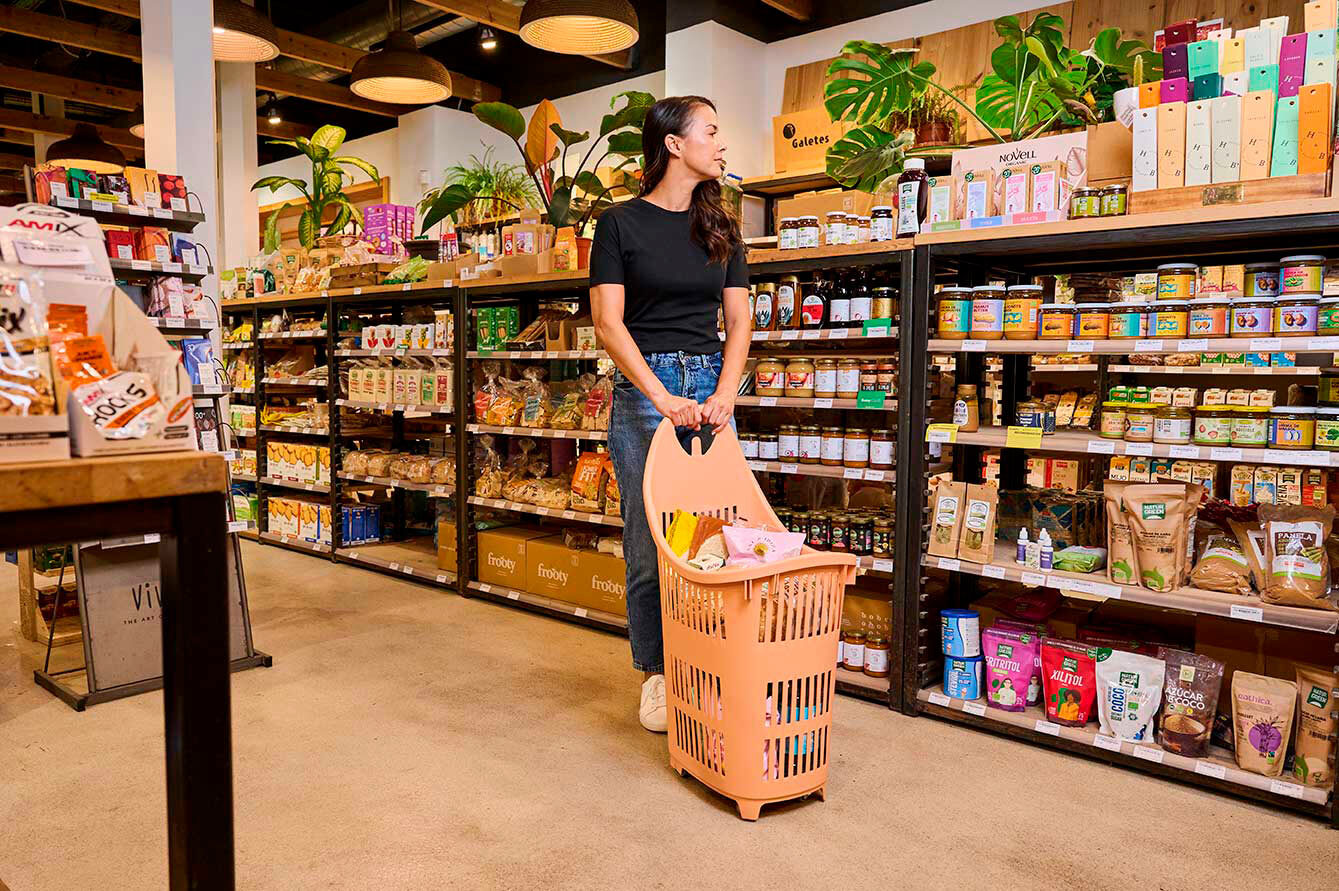
Multisensory in-store experiences: how to create visits customers remember
Sight, sound, smell, touch and emotion can transform an everyday purchase into a more memorable, coherent and brand-connected retail experience.
Multisensory in-store experiences are retail strategies that activate several customer senses to create a more memorable, emotional and brand-consistent visit. Entering a store is no longer only about buying products: customers expect sensations, comfort, memories and reasons to return. Lighting, music, scents, textures, furniture and even an ergonomic shopping basket influence how the space is perceived. When these stimuli work together, the store stops being a simple point of sale and becomes an experience that can strengthen loyalty, differentiation and emotional connection.
Multisensory in-store experiences have become a strategic tool for retail. Sight, sound, touch, smell and emotions form a complete environment that turns each visit into something unique. From soft music that accompanies the shopping journey to a basket that feels comfortable in the hand, every stimulus adds to brand perception.

What are multisensory in-store experiences?
Multisensory in-store experiences consist of stimulating several customer senses to create a memorable environment that reinforces brand identity. The goal is to make the visit easier to remember, more pleasant and more coherent with what the brand wants to communicate.
In retail, a multisensory experience combines visual, auditory, tactile, olfactory and emotional stimuli. The idea is simple: the more coherent the stimuli are, the clearer the customer’s perception becomes.
Sight
Colors, lighting, store architecture and product layout guide the customer’s first impression.
Sound
Background music and strategic sounds influence shopping rhythm and the overall feeling of the store.
Smell
Scents can evoke memories, reinforce freshness, communicate sophistication or become an invisible brand signature.
Touch
Textures, furniture, handles, shopping baskets, carts and materials transmit comfort, quality and attention to detail.
An effective multisensory experience is not about adding random stimuli, but about coordinating senses so customers perceive a clearer and more memorable brand.
How do sight and sound influence the retail experience?
Sight and sound influence the retail experience because they define the first feeling of the space and the pace of the shopping journey. Lighting, colors, music and layout help customers interpret whether a store feels fast, premium, relaxed or functional.
Sight is the most immediate sense. A supermarket with warm lighting and clear aisles invites customers to stay longer, while a perfumery with soft colors and elegant contrasts communicates sophistication. Lighting, visual merchandising and store order can facilitate circulation and reinforce brand identity.
Sound completes that atmosphere. Slower music can support a calmer shopping journey, while a more dynamic rhythm may work better in convenience stores or quick-purchase environments. The key is not simply choosing pleasant music, but choosing sound that fits the store format, audience and shopping moment.
The combination of sight and sound creates a coherent retail atmosphere when it helps customers move, understand the space and recognize the brand personality.
Why can scent build loyalty at the point of sale?
Scent can build loyalty because it is closely linked to memory and emotion. A well-chosen aroma can make a store more recognizable, pleasant and easy to remember.
In sensory marketing, scent should not be used as a simple ambient perfume. It should be aligned with the product, store format and experience the retailer wants to build. In supermarkets, the smell of freshly baked bread can communicate freshness; in perfumeries, floral fragrances can reinforce sophistication; in convenience stores, citrus scents can suggest cleanliness and agility.
- Freshly baked bread in supermarkets to communicate freshness and closeness.
- Floral fragrances in perfumeries to reinforce a more immersive experience.
- Citrus scents in convenience stores to communicate speed, cleanliness and energy.
A coherent scent can become an invisible brand signature when customers naturally associate it with a positive shopping experience.
What role does touch play in multisensory in-store experiences?
Touch plays a key role because it transmits comfort, quality and care in the details. In retail, customers do not only see the store: they touch products, furniture, handles, baskets, carts and surfaces throughout the journey.
Touch is often the forgotten sense in sensory experience design, but it directly influences perceived comfort. This is where Shopping Basket shows that even an everyday object such as a shopping basket can become part of a memorable experience.
Ergonomic baskets
A well-designed basket adapts better to the hand and reduces the feeling of effort during shopping.
Pleasant textures
Carefully designed textures communicate modernity, cleanliness and attention to point-of-sale design.
Resistant materials
Solid and lightweight materials provide confidence, comfort and a sense of durability.
Coherent furniture
Tactile and well-designed furniture improves the overall perception of the store and the service.
Tactile and well-designed furniture transforms how the store is perceived. Customers do not only buy products: they also feel supported and cared for in every detail of the shopping journey.
What trends show the growth of sensory marketing?
Sensory marketing is growing because retailers are looking for differentiation beyond price and product. The in-store experience has become a way to build loyalty, increase brand recall and make the visit more pleasant.
This trend is no longer exclusive to large brands. More supermarkets, perfumeries, convenience stores and specialized spaces are incorporating sensory stimuli to improve the customer journey.
| Retail format | Common sensory stimuli | Experience objective |
|---|---|---|
| Premium supermarkets | Soft music, focused lighting, fresh aromas and clear aisles. | Turn shopping into a calmer and more carefully designed experience. |
| Perfumeries and cosmetics stores | Tactile furniture, illuminated mirrors, immersive fragrances and soft colors. | Reinforce sophistication, product testing and brand recall. |
| Convenience stores | Lightweight baskets, citrus scents, clear circulation and a more agile sound rhythm. | Enable a quick, pleasant and frictionless purchase. |
How can retailers create in-store experiences customers remember?
Retailers can create memorable in-store experiences by coordinating sensory stimuli with brand identity and the real customer journey. The experience should feel natural, useful and coherent, not artificial or excessive.
Multisensory in-store experiences turn a simple visit into a lasting memory when sight, sound, smell and touch work together. These stimuli improve space perception, reinforce brand identity and can support customer loyalty.
At Shopping Basket, we believe that even the smallest details, such as an ergonomic basket with special textures, can generate a positive impact on the customer experience.
The shopping experience is remembered more clearly when every physical detail in the store reinforces the same brand feeling.
Frequently asked questions
What are multisensory in-store experiences?
Multisensory in-store experiences are strategies that activate several customer senses, such as sight, sound, smell and touch, to create a more memorable visit. In retail, they help reinforce brand identity, improve space perception and generate a clearer emotional connection.
Why is sensory marketing important in retail?
Sensory marketing is important because it differentiates the store beyond price or product. A coherent atmosphere can make customers feel more comfortable, remember the brand better and perceive the shopping experience as more pleasant, intentional and well designed.
Which senses influence the shopping experience the most?
Sight is often the first sense to influence customers because lighting, colors and layout create the first impression. Sound, smell and touch complete the experience. Combining all of them helps build a richer and more memorable perception of the store.
How can a shopping basket improve a multisensory experience?
A shopping basket improves the multisensory experience when it is comfortable, lightweight, resistant and pleasant to touch. Customers use it during much of the journey, so its ergonomics, texture and ease of use directly influence comfort and point-of-sale perception.
Is sensory marketing only useful for premium stores?
No. Sensory marketing can be applied in supermarkets, convenience stores, perfumeries, pharmacies, specialty stores and large retail formats. The important point is adapting the stimuli to the store format, customer profile and experience objective.
What mistakes should retailers avoid when creating multisensory experiences?
Retailers should avoid excessive stimuli, overly intense scents, music that does not match the shopping rhythm or visual elements that are inconsistent with the brand. A multisensory experience works best when stimuli are subtle, consistent and useful for the customer journey.