Which Shopping Basket to Choose for Your Store Type
Hand basket, rolling basket, vertical or horizontal format: find out which solution may best suit your purchase volume, product type, available space and customer journey.
There is no single shopping basket that is right for every store. The choice should start with real shopping behaviour: number of items, volume, weight, length of the shopping journey and available space.
From there, you can determine whether a hand basket, rolling basket, horizontal or vertical format, trolley, or a combination of several solutions is the better fit.
Choosing a shopping basket should not start with comparing models or simply looking for the largest capacity available. First, you need to understand what customers need to carry and under what conditions they need to carry it.
Two stores in the same retail sector may need very different solutions. Product assortment, items per transaction, product dimensions, accumulated weight, visit duration and available floor space all influence which format is likely to work best.
Before choosing a basket, define the typical shop
Before selecting a basket, consider:
- Number of items: how many products are normally included in a transaction.
- Volume: how much physical space those products actually require.
- Weight: how much load the customer ends up carrying.
- Shopping journey: how long the customer uses the basket for.
- Space: aisle width, checkouts, fitting rooms and circulation areas.
- Behaviour: how often the current basket becomes full or customers need to change transport system.
If you already analyse UPT, average transaction value and shopping behaviour, those figures can help you size the requirement much more accurately.
Hand basket or rolling basket: the first decision
For quick, lightweight shops with only a few items, a hand basket may be sufficient. As the number of products, accumulated weight or length of the shopping journey increases, a rolling basket can reduce the physical effort required from the customer.
The question is not simply “hand basket or rolling basket?”, but at what point the type of shop makes it sensible for the customer to stop carrying the full load by hand.
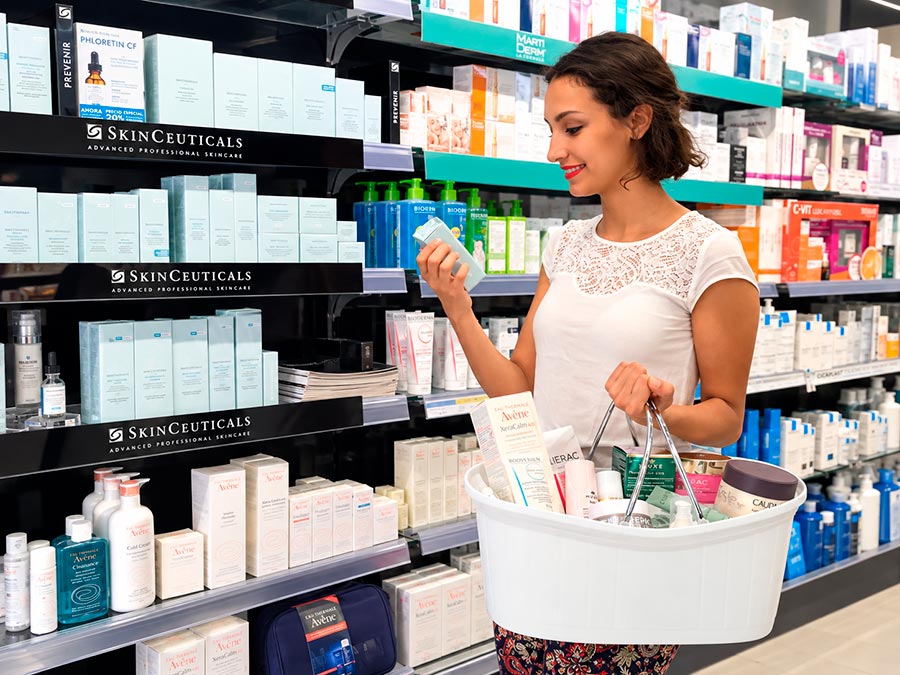
Which shopping basket to choose for pharmacies, perfumeries and small-item stores
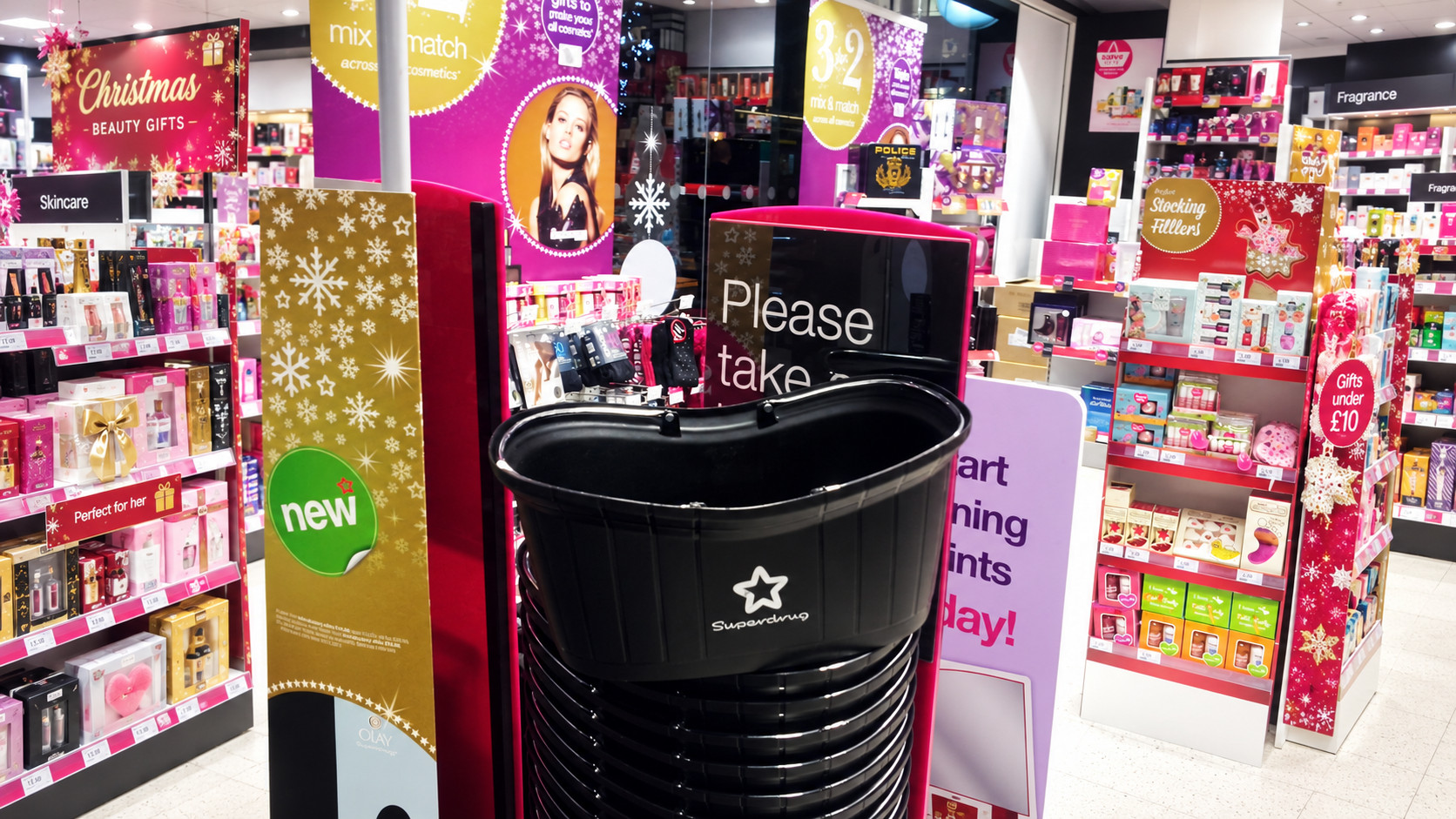
Where purchases mainly consist of small products and only a few items, it usually makes sense to prioritise light weight, a compact format and easy handling.
Capacity should cover the typical purchase without introducing a basket that is larger than the store or the shopping mission requires.


Delux
A compact format for pharmacies, perfumeries, boutiques and stores where the visual integration of the equipment also matters.
See Delux 12L →Which shopping basket to choose for fashion stores
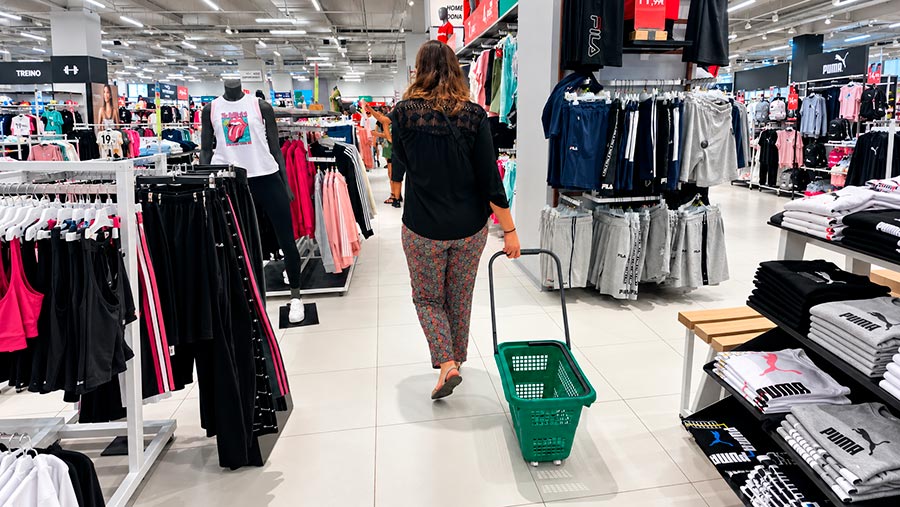
In fashion retail, garments can take up a considerable amount of space without being particularly heavy, and customers may continue adding items throughout a relatively long visit.
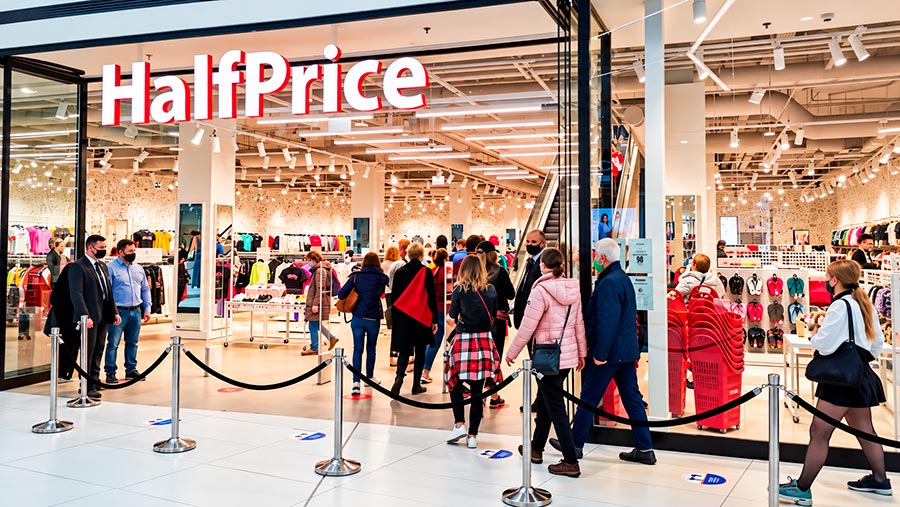
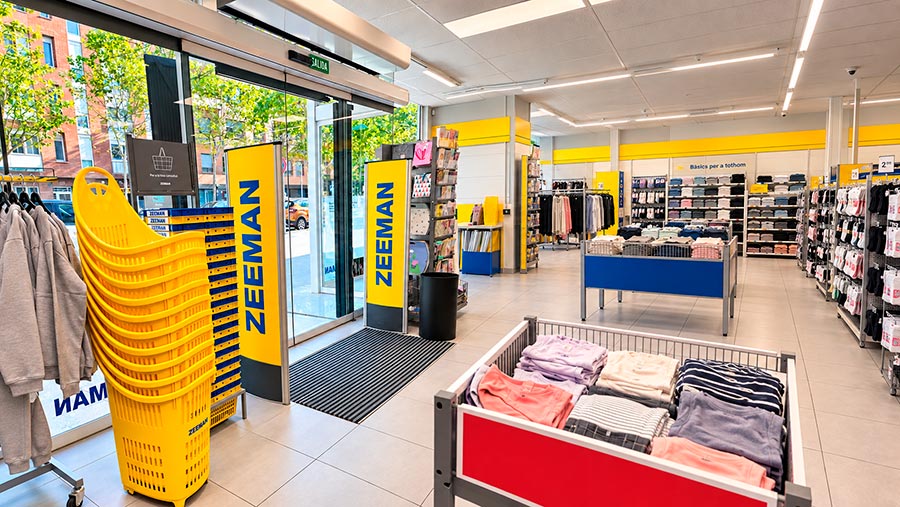
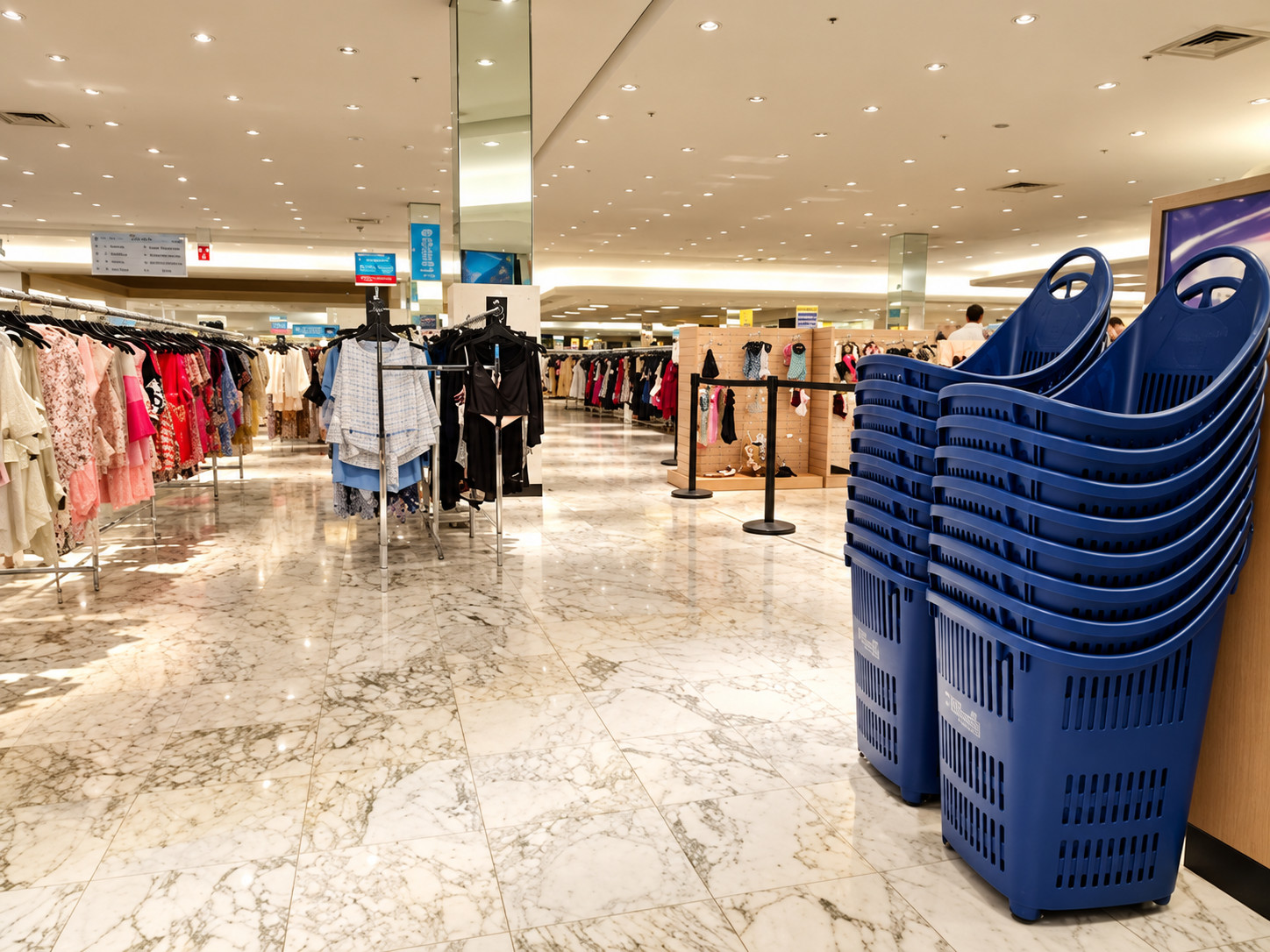
This is why high-capacity rolling baskets can be particularly useful. They remove the need to carry the full load by hand and reduce the risk of the basket itself becoming a physical limit on the number of garments a shopper can continue to pick up.
In projects involving major fashion chains analysed by SB, high-capacity rolling baskets have been associated with longer time spent in store and an increase in units per transaction.
Capacity and mobility allow customers to continue moving around the store and adding garments without the shopping basket quickly becoming a constraint.
Another factor to consider is fitting-room size. A large horizontal basket may provide substantial capacity, but where fitting rooms or circulation areas are narrow, a vertical format may be more practical.
Models such as Bond and Superbond concentrate high capacity within a more contained footprint, making them particularly relevant where aisle and fitting-room space needs to be managed carefully.

XXL
A high-capacity horizontal rolling basket for carrying multiple garments and larger-volume purchases.
See XXL 80L →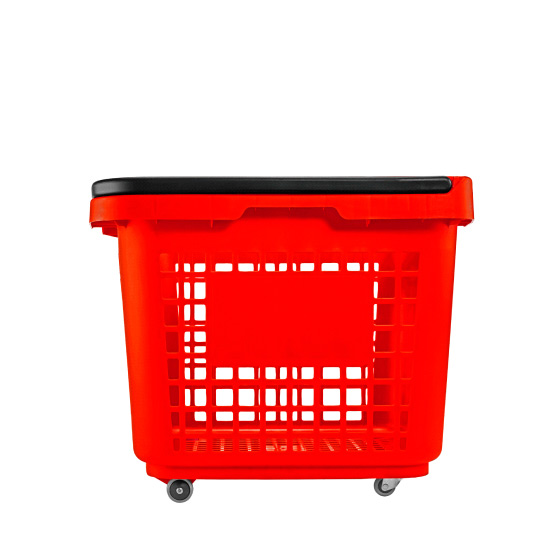
Match
High capacity with straighter walls to make better use of the available internal volume.
See Match 86L →
Bond
A high-capacity vertical format that is particularly relevant when aisle width and fitting-room space are important constraints.
See Bond 70L →
Superbond
Very high capacity in a vertical format, combining substantial shopping volume with a more contained footprint.
See Superbond 91L →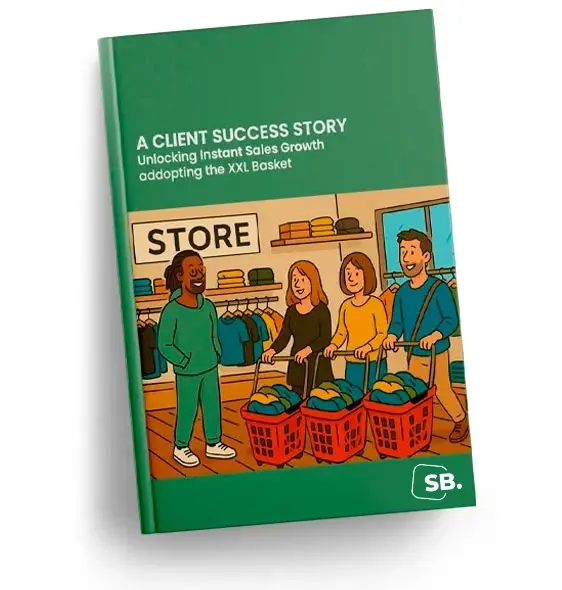
More capacity, a longer shopping journey and more opportunities to buy
Find out why a major fashion retailer introduced 80-litre XXL rolling baskets and what happened after they were implemented across its stores.
The case study explores how capacity, comfort throughout the shopping journey and the ability to keep adding garments can influence shopping behaviour and units per transaction.
Download the Case Study →Which shopping basket to choose for convenience stores and urban supermarkets
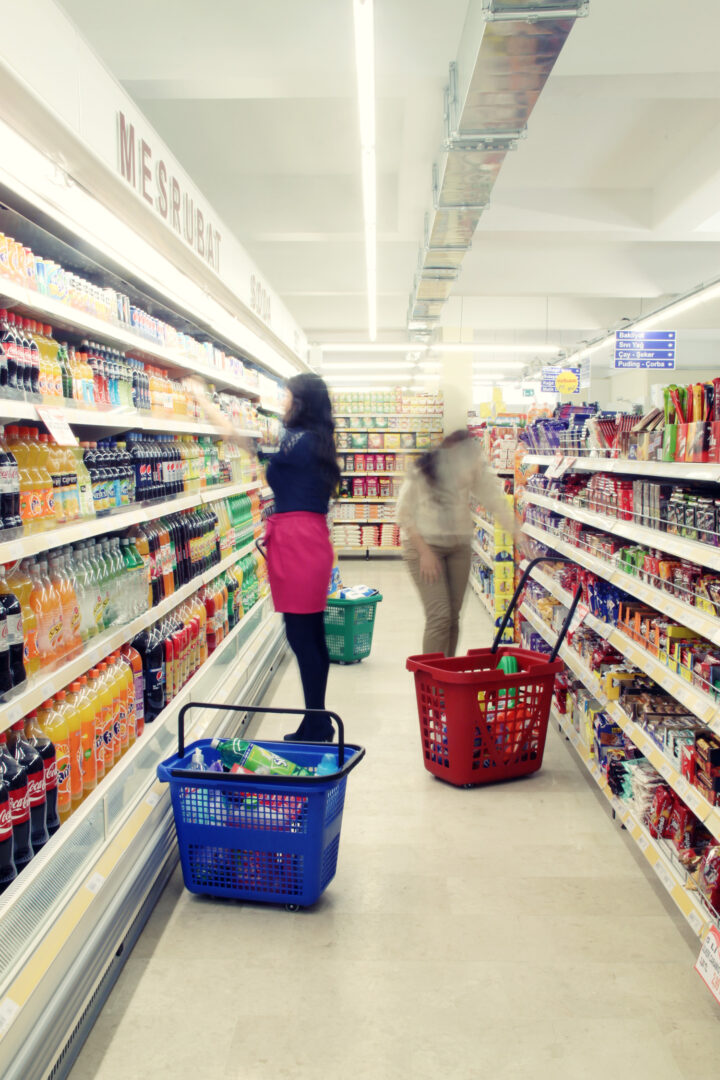
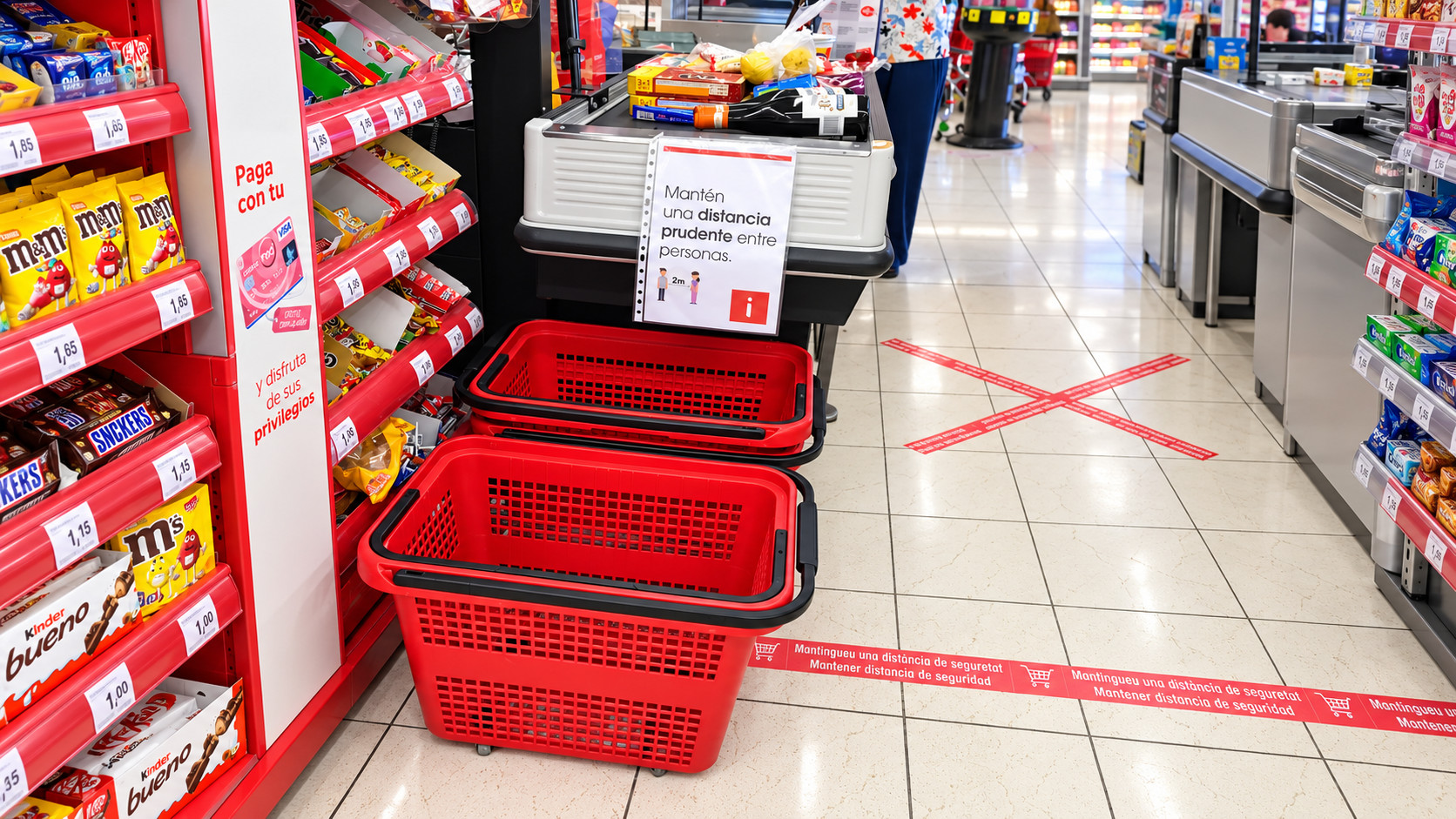
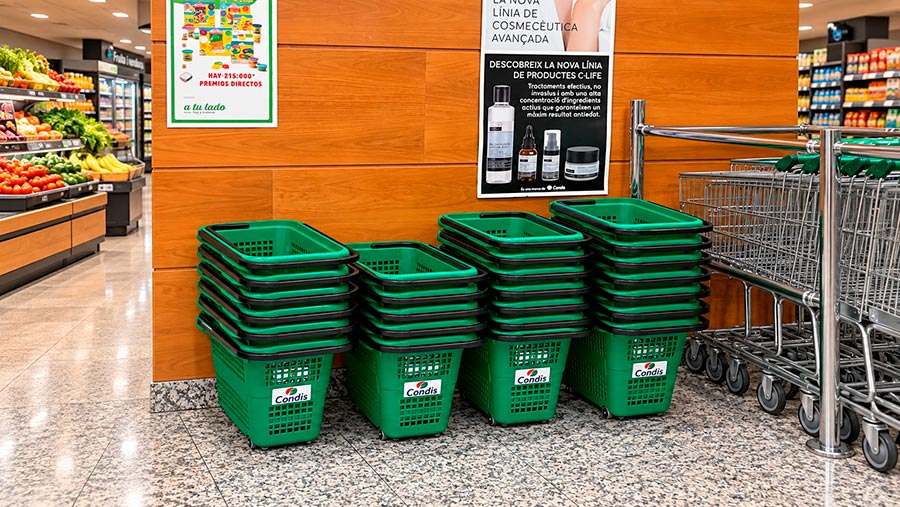
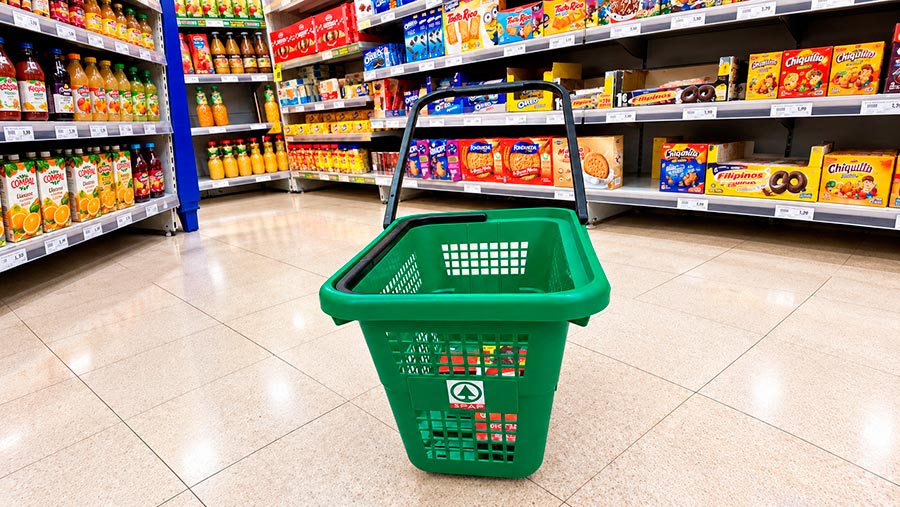
These formats often sit in the middle ground: a small hand basket may be too limited, while a conventional trolley may be excessive for the shopping mission or the available floor space.
It therefore makes sense to provide solutions for both quick shops and medium-sized purchases that grow as the customer moves through the store.

FIT
A medium-capacity hand basket for quick shops that require a little more room.
See FIT 26L →

Barcelona
For medium to medium-large shops where customers need more capacity without moving to a full-size trolley.
See Barcelona 54L →Which shopping basket to choose for supermarkets
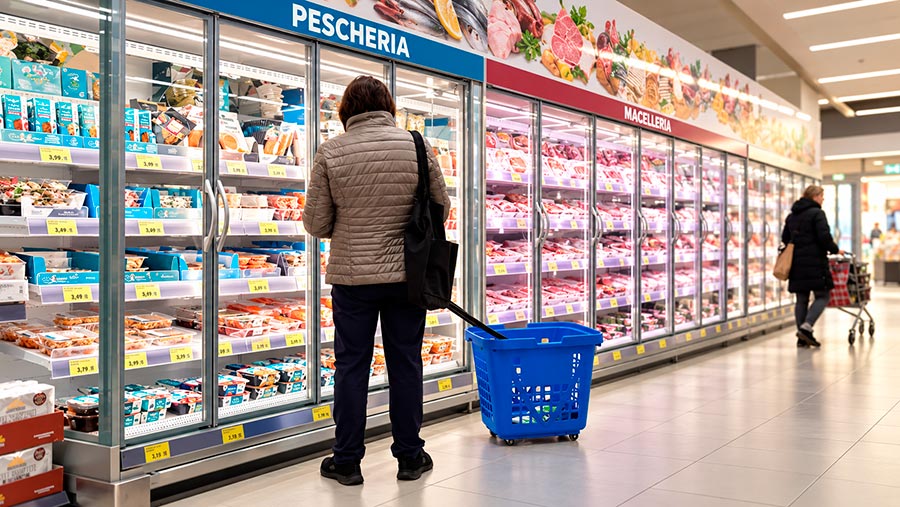
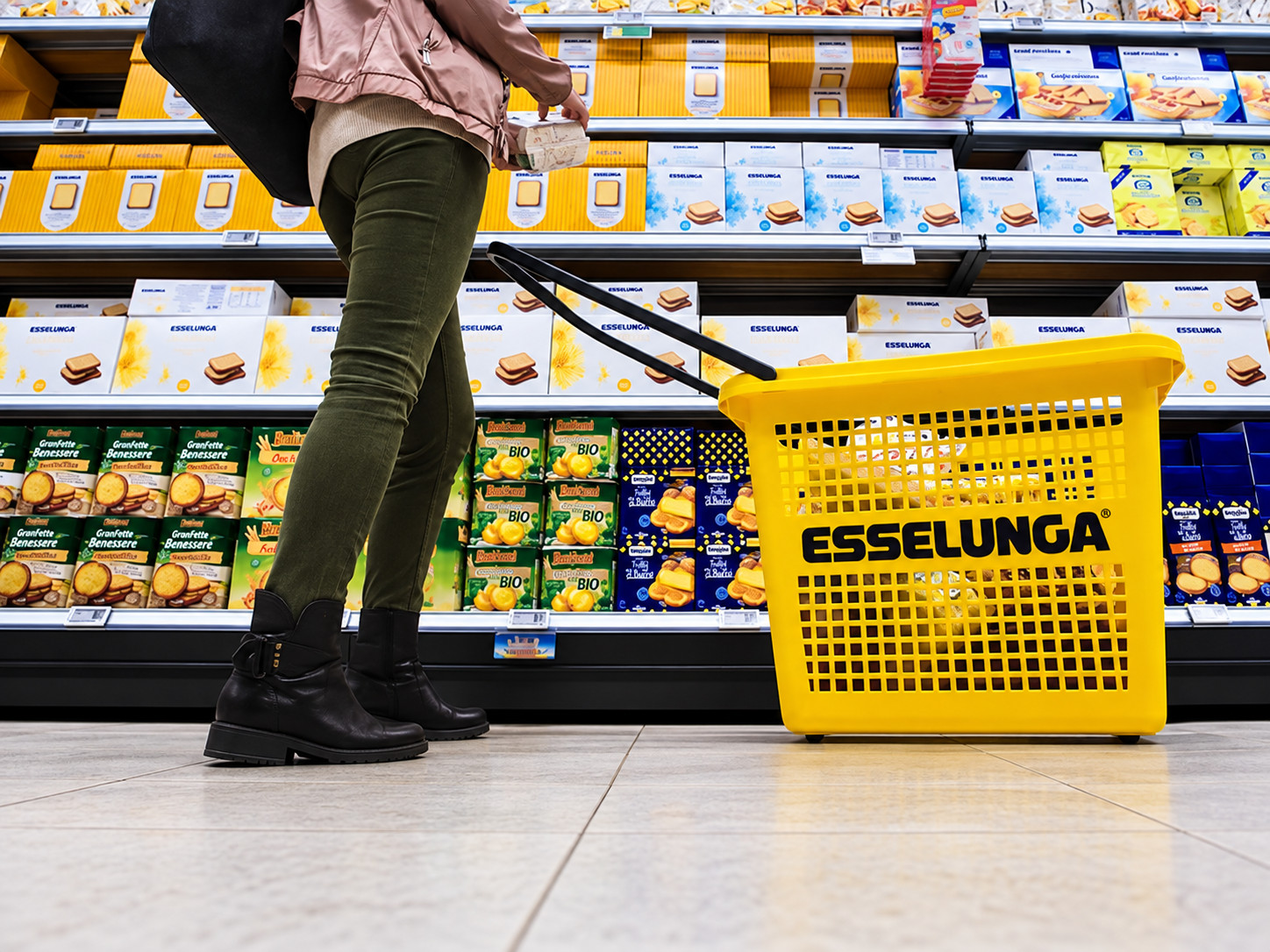
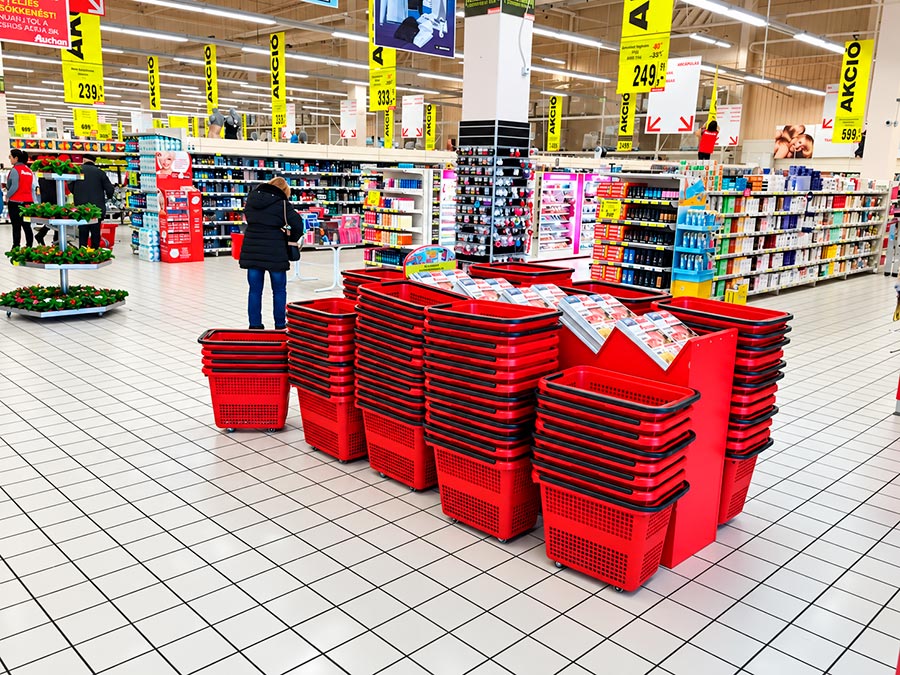
Supermarkets may need to accommodate everything from a quick top-up shop to a much larger purchase. For that reason, combining several capacities can be more useful than trying to cover every shopping mission with a single basket.
For larger shops, XXL 80L and Match 86L provide high capacity while retaining the mobility of a rolling basket.
SB rolling baskets also use ball-bearing wheels designed to make movement easier as the load increases. This is particularly relevant in food retail, where the weight inside the basket can build up quickly during the shopping journey.
Match
High volume with straighter walls to make better use of the internal space.
See Match 86L →
Bond
High vertical capacity where reducing the basket footprint in the aisle is important.
See Bond 70L →
Superbond
Very high capacity in a vertical format for larger shopping missions.
See Superbond 91L →Which shopping basket to choose for sporting goods stores
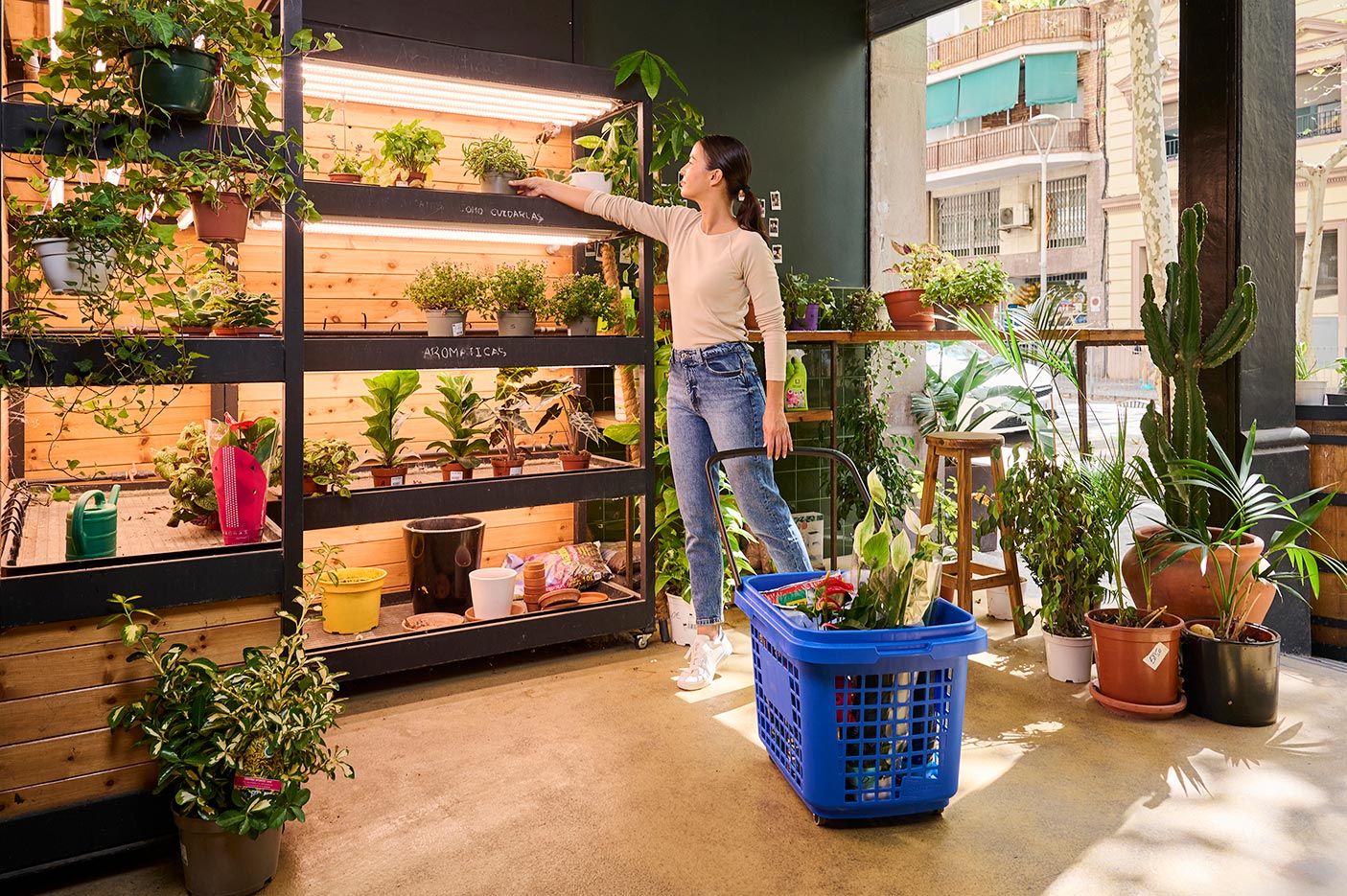
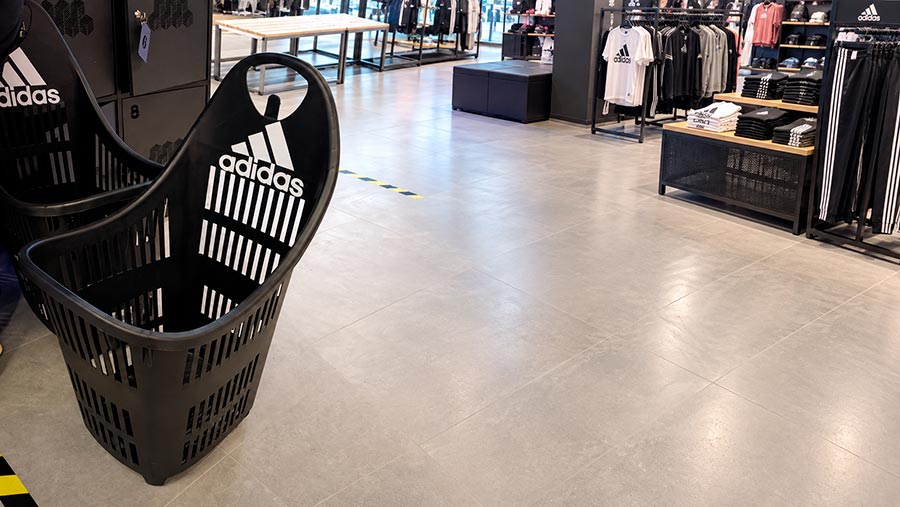
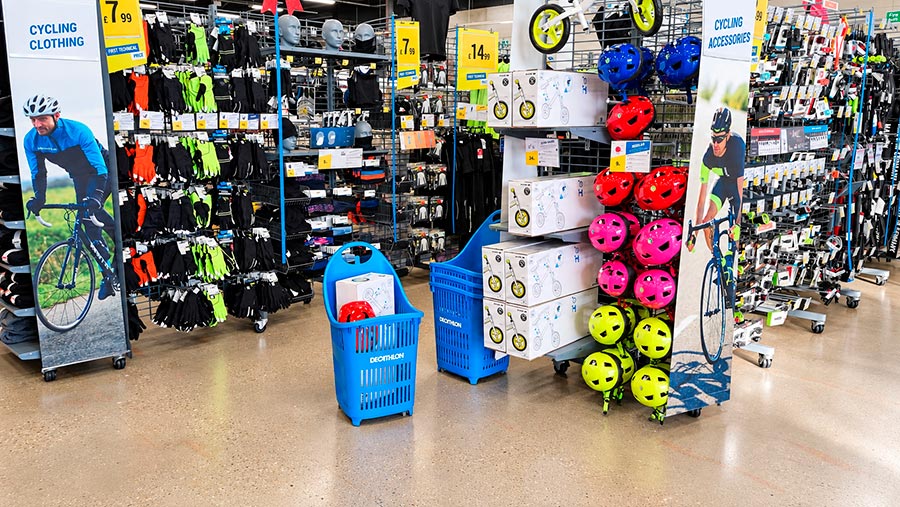
Sporting goods stores may combine clothing, footwear, accessories and products with very different dimensions. As a result, purchase volume can vary considerably from one customer to another.
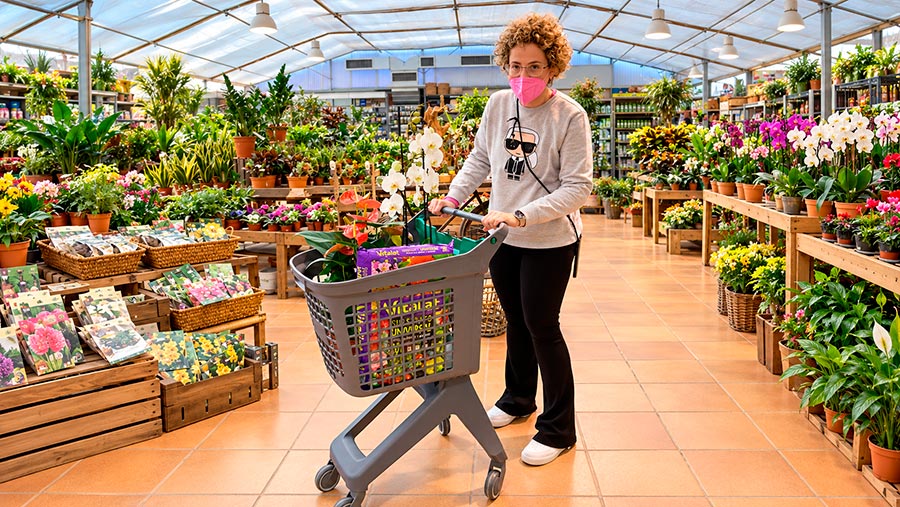
Higher-capacity rolling solutions allow customers to carry larger purchases without supporting the full weight themselves. They also remove a physical capacity constraint, allowing shoppers to continue adding products without the basket becoming uncomfortable to carry.
Barcelona
For medium-sized purchases containing clothing, footwear and accessories.
See Barcelona 54L →
Superbond
Maximum vertical capacity for stores with a wide variety of product categories.
See Superbond 91L →Which shopping basket to choose for home, DIY, toy and bulky-product stores
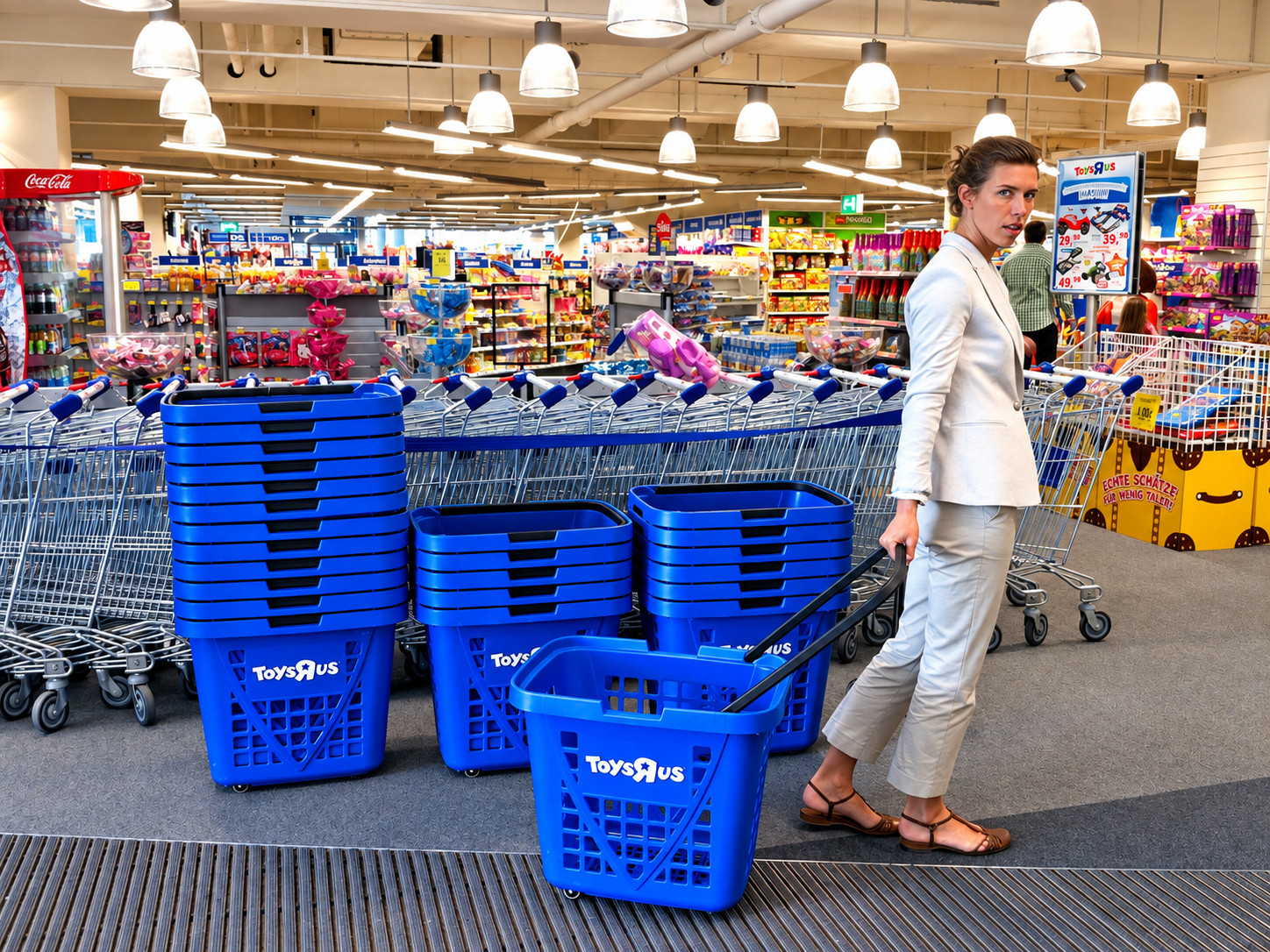
When the assortment includes boxes, toys, tools, homeware or irregularly shaped products, the internal geometry of the basket can be just as important as its total capacity.
Match
Its straighter walls help make better use of the internal space when carrying boxes and larger items.
See Match 86L →
Superbond
Very high vertical capacity where limiting the floor space occupied by the basket is also important.
See Superbond 91L →Do not choose a shopping basket by litres alone
Two baskets with a similar capacity can perform very differently depending on the size, shape and dimensions of the products they need to carry.
For small products, check the base and side walls
When customers are carrying accessories or other small items, it may be preferable to use a basket with a closed base or a geometry that prevents small products from protruding or falling through openings.
For large products, usable internal volume matters
When products are bulky, long or irregularly shaped, simply having a large number of litres does not guarantee that they will fit efficiently.
Strongly sloping side walls can reduce usable internal space. A model such as Match 86L uses straighter walls to make better use of the internal volume and accommodate more large-format products.
The right basket is not necessarily the one with the most litres. It is the one that lets the store make the best use of that capacity with the products customers actually buy.
Five areas to assess before choosing
- Purchase: number of items, volume and weight.
- Product: size, shape and geometry.
- Customer: shopping journey, physical effort and comfort.
- Store: aisles, fitting rooms, checkouts and fixtures.
- Operations: storage, replenishment, cleaning and redistribution.
Quick comparison of SB baskets by purchase type
| Model | Capacity | Format | Particularly useful when... |
|---|---|---|---|
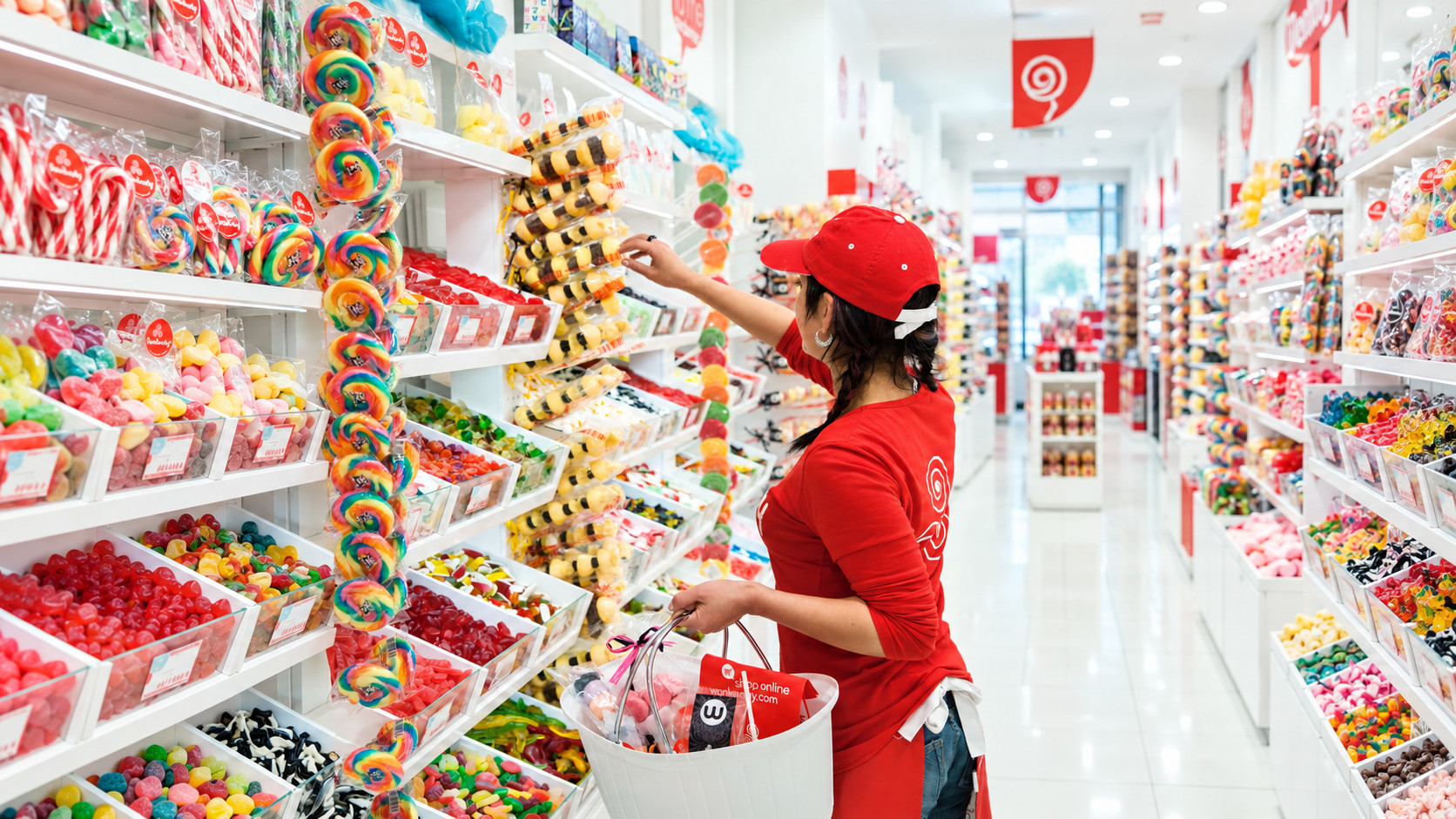
| Sweet | 10 L | Hand basket | The purchase is small and the products are compact. |
| Delux | 12 L | Hand basket | Perfumeries, pharmacies, boutiques and specialist retail. |
| FIT | 26 L | Hand basket | The shop is still quick but customers need more capacity. |
| RB32 | 32 L | Horizontal rolling basket | Medium-sized purchases and convenience retail. |
| Barcelona | 54 L | Horizontal rolling basket | A medium-sized shop starts to require more capacity. |
| Bond | 70 L | Vertical rolling basket | High capacity is needed while aisle footprint must remain controlled. |
| XXL | 80 L | Horizontal rolling basket | Fashion, sports retail and larger-volume purchases. |
| Match | 86 L | Horizontal rolling basket | Products are large and maximum usable internal space matters. |
| Superbond | 91 L | Vertical rolling basket | Very high capacity is needed within a more contained footprint. |
Once you have chosen the format, the next decision is quality
Deciding whether your store needs a hand basket, horizontal rolling basket, vertical basket or high-capacity solution is only one part of the decision.
Two products with a similar format and capacity can perform differently once they are exposed to intensive retail use. Materials, handles, wheels, stability and construction, together with performance over the product life cycle, are the next factors to assess.
Frequently asked questions
Which shopping basket should I choose for a fashion store?
High-capacity rolling baskets can be particularly useful in fashion retail. XXL 80L and Match 86L provide substantial volume in a horizontal format, while Bond 70L and Superbond 91L concentrate capacity vertically and may work better where aisle or fitting-room space is limited.
Which shopping basket should I choose for a convenience store?
It depends on the typical purchase volume. FIT 26L covers quick shops; RB32 32L introduces wheels in a compact format; and Barcelona 54L provides more room for medium-sized purchases.
Which shopping basket should I choose for a supermarket?
In supermarkets, combining several capacities can be more useful than relying on one model. RB32 and Barcelona cover medium-sized purchases, while XXL, Match, Bond and Superbond can support larger shopping missions.
Which shopping basket works best for bulky products?
Capacity in litres is only part of the answer. Internal geometry also matters. Horizontal models such as XXL 80L and Match 86L provide room for larger products, while Match's straighter walls help make better use of the available internal space.
Is a vertical or horizontal rolling basket better?
It depends on the use case. Horizontal baskets provide a broader base, whereas vertical baskets concentrate capacity within a more contained footprint. Product dimensions, available floor space and the shopping journey should determine the choice.
More information to help you choose your retail shopping equipment:
→
How to choose a shopping basket
→
Explore SB rolling baskets
→
View all SB Shopping Basket products