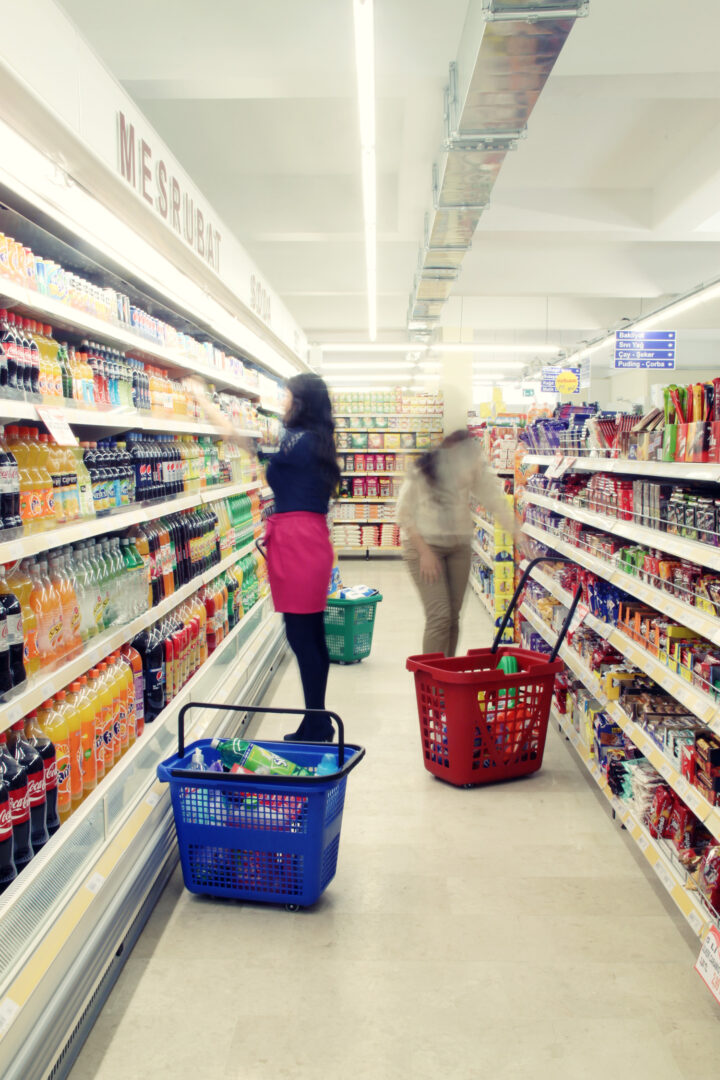
Sustainability in retail: how to adapt the store to a more conscious consumer
What consumers expect, which sectors generate the most concern and how to turn sustainability into an operational decision at the point of sale.
Sustainability in retail is no longer an isolated trend: it is becoming a shopping expectation. Consumers value brands that reduce environmental impact, offer sustainable alternatives and communicate their actions clearly. For stores, supermarkets and retail chains, sustainability must be reflected in products, packaging, suppliers, store equipment, logistics and the shopping experience.
Sustainability in retail is growing because consumers increasingly make purchasing decisions based on the environmental and ethical impact of brands. This trend was already visible before the pandemic, but today it is becoming a more stable expectation: customers want responsible options, clear information and consistency between what a brand says and what it actually does. An analysis by Simon · Kucher and Partners states that 85% of consumers have become more sustainable in the last 5 years. For retail, this means reviewing products, stores, suppliers, equipment and communication.

Why is sustainability in retail growing?
Sustainability in retail is growing because consumers expect brands to act with greater environmental and social responsibility. This expectation affects both the product they buy and the experience they have inside the point of sale.
Sustainability is no longer limited to an eco-friendly category on the shelf. Today it can influence how a store is designed, which suppliers are chosen, which materials are used, how a campaign is communicated and what store equipment is offered to customers.
Retail sustainability works when it stops being an isolated message and becomes a visible decision across product, store, supplier and shopping experience.
How does sustainable consumption change by generation?
The growth of sustainable consumption is not uniform across generations. Each group shows different levels of commitment, price sensitivity and willingness to choose sustainable alternatives when they are available.
According to the original content, the increase in sustainable consumption over the last 5 years is distributed across generations, with particular strength among Generation Y, also known as millennials.

| Generation | Increase in sustainable consumption | Retail reading |
|---|---|---|
| Generation Z | 24% | Values brands with purpose, transparency and responsible alternatives in products and communication. |
| Generation Y or millennials | 34% | Shows the strongest growth and tends to choose sustainable alternatives when they are available. |
| Generation X | 24% | Also incorporates sustainable criteria, usually balancing them with price, usefulness and trust. |
| Baby Boomers | 24% | Shows interest in sustainability, especially when the proposal is clear and credible. |

Millennials stand out especially in this evolution: the original content states that 34% choose a sustainable alternative if it is available. For a retailer, this means that offering responsible options not only improves brand image, but can also influence conversion, loyalty and perceived value.
Which sectors matter most to consumers in sustainability?
Consumers do not perceive sustainability in the same way across all sectors. Energy, construction and home, retail, automotive and finance appear with different levels of concern and expectation.
Retail holds a relevant position because it connects directly with everyday decisions: food, fashion, home, equipment, packaging, transport and in-store experience.

| Sector | Importance for consumers | What it means for brands |
|---|---|---|
| Energy | 74% | Consumers expect emission reduction, efficiency and a transition toward cleaner sources. |
| Construction and home | 66% | Materials, energy efficiency, durability and responsible consumption matter. |
| Retail | 63% | The store must demonstrate sustainability in product, packaging, equipment and suppliers. |
| Automotive | 61% | Concern focuses on emissions, materials, energy and new mobility models. |
| Finance | 44% | Sustainability is linked to responsible investment, transparency and ESG criteria. |
Are consumers willing to pay more for sustainability?
Some consumers are willing to pay more for sustainable products and services, especially Generations Z and Y. However, willingness to pay depends on credibility, usefulness and perceived value.
The original content states that Generations Z and Y are willing to pay up to 40% more for ethical and environmentally sustainable products and services. Generation X and Baby Boomers also show interest, although they are usually less willing to accept a high price premium.
Consumers are more willing to pay extra for sustainability when they understand what improves, what impact is reduced and why the responsible alternative has real value.
Are major brands already offering sustainable products?
Many major brands have already integrated sustainable lines, recycled materials or environmental initiatives into their strategy. These actions show that sustainability is moving from exception to market expectation.
Companies that work today to present sustainable alternatives can gain advantage in their industry if they manage to combine innovation, credibility and real availability for consumers.
Examples of sustainability in major brands
Major brand initiatives help show how sustainability can be integrated into materials, design, product, communication and environmental objectives.
| Brand | Mentioned initiative | Retail reading |
|---|---|---|
| Adidas | Use of recycled polyester and collaboration with environmental organizations. | Sustainable materials can become a central part of the product proposal. |
| Nike | MOVE TO ZERO, an initiative focused on reducing carbon footprint and waste. | Sustainability can be communicated as a brand, innovation and product care platform. |
| H&M | Conscious product line using recycled materials and organic cotton. | Sustainable collections help bring responsible alternatives closer to mass consumers. |
| Zara | JOIN LIFE, a line linked to controlled-origin fibers and resource savings. | Sustainability can be integrated into material selection, water use and origin traceability. |
Adidas and recycled polyester
Adidas has collaborated with environmentally conscious organizations since 2015. The original content also notes that the brand was moving toward production with recycled materials, with a communicated objective of increasing the presence of sustainable materials in its products.
More information in Adidas’ original link about its production with sustainable materials.

Nike MOVE TO ZERO
Nike’s MOVE TO ZERO initiative focuses on protecting the future of sport with zero carbon and zero waste. The brand also works on R&D labs to develop sustainable materials and recommendations to take better care of equipment.

THE CONSCIOUS CHOICE by H&M
Since April 2021, H&M has offered a more conscious product approach linked to the environment. The original content mentions recycled materials, recycled polyester and organic cotton as part of this proposal.

Zara JOIN LIFE COLLECTION
Zara has also created a sustainable clothing line where the original content highlights cellulose fibers from controlled-growth forests and water-saving measures through conservation and reuse circuits.

How should a company integrate sustainability into its business model?
A company should integrate sustainability as a long-term decision, not as an isolated promotional action. Returns may not be immediate, but sustainability becomes stronger when it is part of the company’s mission, culture and value chain.
Creating recycled product lines means analyzing environmental impact from sustainable sourcing to responsible consumption, waste reduction and reuse at the end of the product life cycle. It also requires reviewing energy consumption, materials, suppliers, logistics and communication.
| Decision area | Key question | Retail application |
|---|---|---|
| Product | Does the product reduce impact without losing usefulness? | Use recycled, recyclable or controlled-origin materials. |
| Supplier | Is the supply chain traceable and verifiable? | Choose manufacturers with certifications, quality control and auditable processes. |
| Store | Does the shopping experience reflect the brand’s sustainability? | Incorporate sustainable equipment, clear signage and waste reduction. |
| Communication | Does the customer understand what action is being taken? | Explain environmental benefits with concrete and verifiable messages. |
| End of life | What happens when the product is no longer used? | Design for reuse, recycling or lower waste generation. |
What does this trend mean for retail equipment?
Sustainability also affects retail equipment because baskets, carts, furniture, displays and promotional materials are part of the shopping experience. If consumers expect consistency, stores must also review the elements they use every day.
In the case of shopping baskets and carts, recycled, durable and traceable alternatives help bring environmental commitment into the point of sale. Sustainable equipment should not only communicate recycling: it must also withstand daily use, be comfortable for customers and maintain an appropriate service life.
SB Shopping Basket designs and manufactures baskets and carts for stores, supermarkets and retail chains. Its range includes recycled and recyclable solutions designed to help retailers improve the shopping experience and strengthen their environmental commitment at the point of sale.
→ Recycled baskets and carts
→ European manufacturers of shopping baskets and carts
→ ISO 9001 and ISO 28000 certifications
→ See the full SB product range
Frequently asked questions
What is sustainability in retail?
Sustainability in retail means reducing the environmental and social impact of commercial activity. It includes product, packaging, suppliers, energy, transport, physical stores, communication, retail equipment and waste management.
Why does sustainability influence purchase decisions?
It influences decisions because many consumers want to buy from brands that reflect responsible values. When a sustainable alternative is clear, useful and credible, it can improve brand perception and increase willingness to choose that product or service.
Which generations show more interest in sustainable consumption?
According to the original content, all analyzed generations show an increase in sustainable consumption, although millennials stand out with 34%. Generation Z, Generation X and Baby Boomers appear with 24% in the indicated increase.
Which sectors matter most in sustainability?
The original content mentions energy, construction and home, retail, automotive and finance. Retail stands out because it is connected to everyday purchase decisions, packaging, products, suppliers and in-store experience.
How can a store integrate sustainability?
A store can integrate sustainability by reviewing materials, packaging, suppliers, lighting, communication, store equipment and waste management. It can also offer recycled alternatives, traceable products and clear messages inside the point of sale.
Why should retail equipment also be sustainable?
Retail equipment is part of the customer’s daily experience. Baskets, carts, displays and furniture can reinforce sustainability when they are durable, recycled, recyclable, traceable and consistent with the brand’s environmental commitment.