What purchasing departments look for in a retail equipment supplier
A practical guide to understanding the criteria that matter when a retail chain evaluates suppliers of baskets, carts and in-store shopping transport solutions.
When a purchasing department evaluates a retail equipment supplier, it is not only comparing prices. In supermarket chains, high-traffic stores and distribution groups, the decision usually includes product reliability, supply capacity, reference stability, documentation, store adaptation and operational risk reduction. In shopping baskets, shopping carts and in-store shopping transport solutions, the right supplier is the one that helps the store run without surprises.

The product must withstand daily use, but it must also be available when replenishment, openings or renewals are needed. That is why choosing a supplier in B2B retail should not be seen as a simple price negotiation.
For purchasing teams, the decision must be defensible internally. It must fit with operations, stores, logistics and management. When the supplier does not respond well, the problem does not stay on the technical specification sheet: it affects the real performance of the store.
A good retail equipment supplier does not only deliver product. It helps reduce uncertainty, avoid incidents and maintain continuity in daily operations.
Purchasing does not decide by price alone
Price matters. Of course it matters. But in B2B retail, especially when discussing visible, intensive-use equipment, the initial price does not explain the full decision.
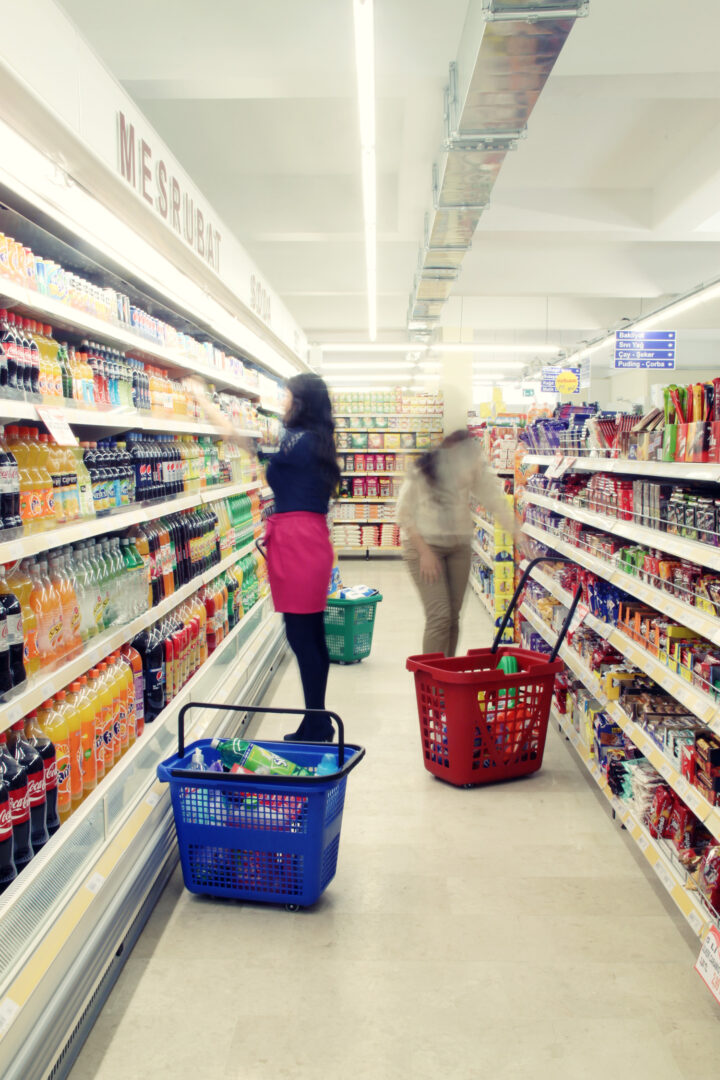
A shopping basket or supermarket cart may look like a simple product, but it is in direct contact with both customers and daily store operations. If it fails, deteriorates too quickly or cannot be replenished easily, the problem eventually reaches operations, the store team and purchasing.
That is why a professional buyer usually looks at the full cost of the decision. Not only how much it costs to buy, but how much it costs to maintain, replenish, coordinate and manage that equipment throughout its service life.
Initial price
It is an important criterion when comparing proposals, but it does not show on its own how the product will perform in store or what workload it will create later.
Operational cost
It includes durability, replenishment, incidents, supply, internal management and equipment stability during real use.
Product reliability in real use
One of the first criteria when choosing a retail equipment supplier is product reliability.
In a high-traffic store, baskets and carts are used constantly. They are loaded, stacked, pulled, bumped, moved through aisles and collected many times a day. It is not enough for the product to look correct in a sample or on a technical sheet. It has to work under real conditions.
Questions purchasing teams often ask
- Is the product designed for intensive use?
- Does it maintain stability and mobility over time?
- Does the basket stack well and occupy reasonable space?
- Does the cart perform well on different floors and routes?
- Do the wheels, handles and components withstand the pace of the store?
The answer to these questions affects durability, but also the number of incidents the chain will have to handle.
Supply and replenishment capacity
A retail equipment supplier should not be evaluated only by its ability to deliver the first order. For a chain, continuity is just as important.
Purchasing needs to know whether the supplier will be able to respond to a store opening, a renewal, a stock adjustment or replenishment due to wear. It also needs stable references, consistent colours and models that do not change without control.
Lack of continuity creates very specific problems: stores with different equipment, urgent purchases, delays, loss of consistency and more internal workload.
Supply capacity is not only about delivering quickly. It is about maintaining references, models and replenishment with realistic planning.
At this point, industrial proximity, production planning and an organized supply chain can make a difference. It is not about promising speed without substance. It is about reducing uncertainty.
Standardization for chains with several stores
Retail chains need a balance between adaptation and standardization.
Not every store has the same needs. An urban supermarket may require more agile baskets. A hypermarket may need higher-capacity carts. A convenience store may prioritize compact solutions. But even when formats differ, the purchasing criteria should remain consistent.
For purchasing teams, working with a supplier that understands this logic makes management easier. It helps define product families, maintain a consistent image and simplify replenishment.
Standardization does not mean rigidity. It means better control of the basket, cart and in-store shopping transport fleet.
| Criterion | What purchasing looks for | Impact in store |
|---|---|---|
| Reliability | Resistant product prepared for intensive use | Fewer incidents and better shopping experience |
| Supply | Ability to respond to orders, openings and replenishment | Greater operational continuity |
| Standardization | Consistent models, colours and references | More homogeneous image and easier management |
| Documentation | Clear information to justify the decision internally | Less friction between purchasing, operations and management |
Documentation, compliance and trust
In B2B purchasing, trust is not built only with a good commercial presentation. It also depends on the supplier’s ability to provide clear information.
Depending on the project, purchasing may need technical documentation, information about materials, customization options, logistics conditions or criteria linked to sustainability and compliance.
A serious supplier should help make the decision defensible internally. This is especially important when several profiles are involved: purchasing, operations, management, expansion, store design or sustainability.
The clearer the information, the less friction the process will have.
Adaptation to store operations
A good retail equipment supplier does not sell isolated products. It understands how those products are used in store.
In baskets and carts, this means considering circulation, noise, stacking, capacity, ergonomics, replenishment, storage and shopping experience. A solution may look correct on paper, but not fit the real customer flow or the work of the store team.
That is why purchasing teams often value suppliers that can speak the same language as operations. The message does not need to be complicated. It needs to be grounded.
The key question is simple: will this equipment work well every day?
Operational risk reduction
Choosing or changing supplier involves risk. The risk of receiving a product that does not fit, quality problems, delays, lack of replenishment or incidents in store.
A reliable supplier reduces that risk with consistent products, clear communication, response capacity and experience in demanding retail environments.
For purchasing teams, this has real value. A decision that looks economical at first can become expensive if it later creates operational problems.
What purchasing should evaluate before deciding
Before selecting a supplier of baskets, carts or retail equipment, it is worth reviewing several points:
- Product quality and durability.
- Adaptation to intensive use in store.
- Supply and replenishment capacity.
- Stability of references and models.
- Customization options.
- Available documentation.
- Experience in retail projects.
- Consistency between price, service and service life.
- Ability to support openings, renewals or rollouts.
Not every project needs the same level of complexity. But every project needs a well-founded decision.
Conclusion: purchasing looks for price, but also security
Purchasing departments look for competitive prices, but they cannot decide by price alone. In retail equipment, especially in shopping baskets and carts for supermarkets, the decision affects everyday store operations.
A good supplier should offer reliable products, stable supply, operational criteria and the ability to support the retailer beyond the first order.
In the end, purchasing needs a solution that works, that can be defended internally and that does not create problems afterwards. In retail, that security matters a lot.
Frequently asked questions
What does purchasing value in a retail equipment supplier?
Purchasing usually values price, product reliability, supply capacity, reference stability, documentation, store adaptation and operational risk reduction.
Why is comparing prices not enough?
Because the initial price does not always reflect the real cost. A cheap product can create more replenishment, incidents and internal work if it is not designed for intensive use.
What role does supply capacity play?
It is essential for openings, renewals and replenishment. A retail chain needs continuity, not only an initial delivery.
Why is standardization important?
Standardization helps maintain consistency across stores, simplify purchasing, facilitate replenishment and better control the basket and cart fleet.
What makes a supplier reliable?
A reliable supplier understands retail operations, offers consistent products, communicates clearly and reduces uncertainty throughout the purchasing and replenishment process.