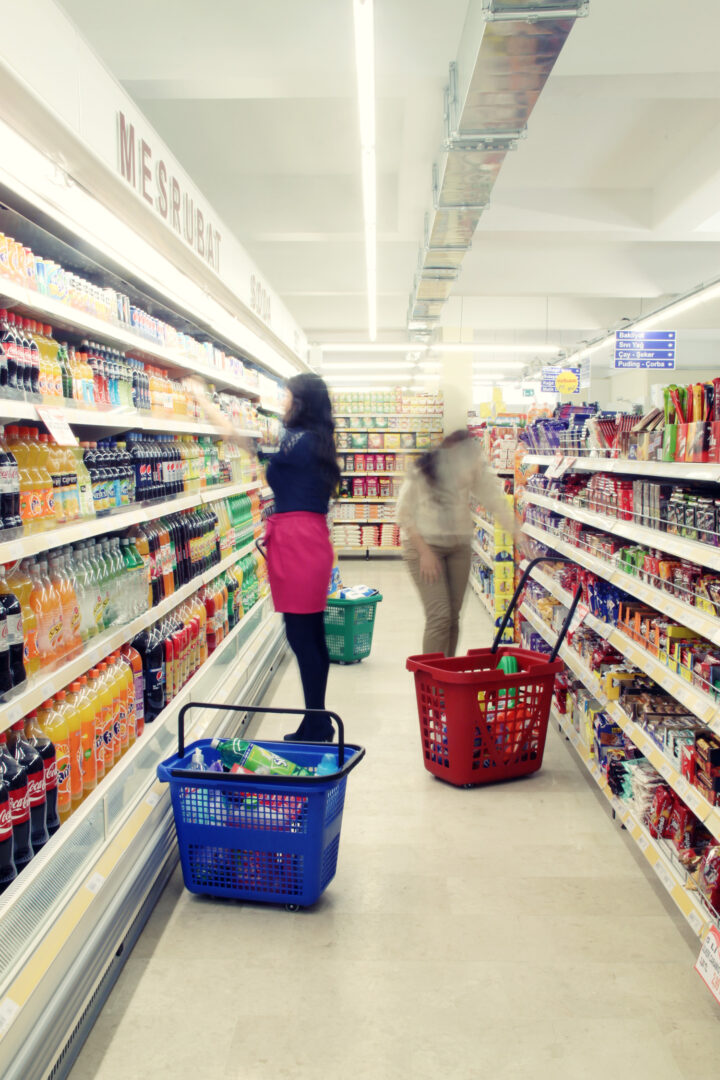
Convenience stores: key characteristics and how to adapt the retail space
What defines a convenience store, how this format affects space, assortment and the shopping experience, and what retailers should consider when choosing in-store equipment.
Quick answer
A convenience store is a retail format designed to provide easy access to everyday products through proximity, extended opening hours and a selected assortment. Space is usually highly optimised, so store layout, customer circulation and the choice of shopping baskets or trolleys can directly affect how efficiently the store operates.
Convenience stores respond to shopping behaviour strongly linked to proximity, accessibility and an assortment adapted to the immediate needs of the customer.
Behind this apparently simple format, however, lies an important operational challenge: making effective use of every square metre, supporting a comfortable customer journey and providing enough carrying capacity without overcrowding the store.
For a retailer, designing a convenience store is not simply about deciding which products to sell. It also means defining how the available space should be organised, which equipment should be used and which type of shopping basket or trolley best suits the expected shopping behaviour.
What is a convenience store?
A convenience store is a retail outlet designed to give customers easy access to frequently purchased products in nearby locations or high-traffic areas.
Its proposition is usually based on a combination of proximity, accessibility, extended opening hours and a selected product assortment.
This format can be found in urban areas, transport hubs, service stations, residential neighbourhoods and other locations where easy access is particularly important to customers.
Proximity
The store is located close to the customer or in an area with regular footfall.
Optimised floor space
Available space needs to be used efficiently, making layout and equipment particularly important.
Selected assortment
The offer is focused on categories and products suited to the needs of the local customer base.
Accessibility
The aim is to provide a comfortable shopping experience within a typically compact retail environment.
Main characteristics of a convenience store
Not all convenience stores are the same, but several characteristics are commonly found across this type of retail format.
| Characteristic | What it means for the store |
|---|---|
| Limited space | Fixtures, aisles and equipment must make efficient use of the available floor area without restricting customer movement. |
| Adapted assortment | Product selection should reflect the customer profile and the specific location of the store. |
| High turnover | Some categories may require frequent replenishment and equipment may be subject to intensive daily use. |
| Proximity | The store forms part of the customer’s everyday environment and must respond to different shopping occasions. |
| Comfortable shopping experience | Layout, signage and equipment should make it easy for customers to move around the store. |
In a convenience store, every square metre matters. The challenge is to offer enough carrying capacity without compromising circulation or valuable retail space.
Convenience store vs neighbourhood store: are they the same?
The terms convenience store and neighbourhood store can describe similar retail formats, but they do not necessarily mean exactly the same thing.
A neighbourhood store is primarily defined by its physical proximity to the customer. A convenience store usually combines that proximity with other characteristics such as extended opening hours, easy access and a selected assortment designed around frequent customer needs.
In practice, the same retail outlet can share characteristics of both formats.
How this format affects store design
The size and layout of many convenience stores mean retailers need to think carefully about how each part of the available space is used.
Aisles, entrance areas, product displays, checkouts and shopping equipment should work together as one coherent system.
A basket that is too large may occupy more floor space than necessary. A basket that is too small may limit the amount customers can comfortably carry during their visit.
Aisle width
Equipment should allow customers to move comfortably even when the available space is limited.
Shopping capacity
Basket capacity should reflect the volume and type of products customers typically purchase.
Storage
Empty baskets should be easy to stack and store while using as little floor space as possible.
Product type
Drinks, food, household goods and larger items may require different basket capacities and formats.
Which shopping basket is right for a convenience store?
Choosing a shopping basket for a convenience store depends mainly on the available space, typical basket size and the type of products sold.
Where smaller items or lower-volume purchases are common, a hand basket can provide sufficient capacity while taking up very little space.
Where customers tend to buy more, a wheeled shopping basket may provide greater carrying capacity without necessarily requiring a conventional shopping trolley.
| Store situation | What to prioritise | Format to consider |
|---|---|---|
| Limited floor space | Compact format and easy stacking | Hand basket |
| Small products | Low weight and ease of handling | Compact hand basket |
| Higher shopping volume | Capacity and comfort during the shopping journey | Wheeled shopping basket |
| Narrow aisles | Manoeuvrability and external dimensions | Vertical wheeled basket |
| Intensive daily use | Durability, stacking and ease of replacement | Model designed for intensive retail use |
What retailers should evaluate before equipping a convenience store
Equipment decisions should be based on real shopping behaviour and the characteristics of the store, rather than floor area alone.
Available space
Review aisles, entrances, checkout areas and the space available for storing baskets when they are not in use.
Typical shopping volume
Capacity should reflect the number and size of products customers usually carry during their visit.
Type of products
The right format will vary depending on whether the store mainly sells small items, bottles, food or bulkier products.
Intensity of use
In high-footfall stores, durability, stacking and ease of replacement become particularly important.
Retail equipment is part of the shopping experience
A shopping basket or trolley is not simply a functional item. It accompanies the customer through a significant part of their journey around the store.
Weight, ergonomics, capacity, dimensions and manoeuvrability can all influence how customers use the space and how comfortably they continue shopping.
Retail equipment should therefore be considered as part of the overall store concept rather than as an isolated purchasing decision.
The right basket is the one that provides enough capacity for the store’s actual shopping behaviour without taking up more space than necessary.
Download the complete infographic
Get the 18 key factors organised in one practical document across 5 essential areas, with expert guidance to help you choose the right shopping basket or trolley for your store.
Download the infographic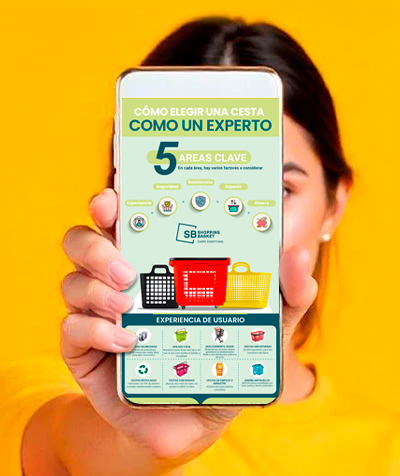
Frequently asked questions about convenience stores
What is a convenience store?
A convenience store is a retail outlet designed to provide everyday products through a combination of proximity, accessibility, a selected assortment and ease of shopping.
What are the main characteristics of a convenience store?
Convenience stores typically operate with optimised floor space, a selected assortment, close proximity to customers and a layout designed to support comfortable movement through the store.
What is the difference between a convenience store and a neighbourhood store?
A neighbourhood store is primarily defined by its location close to the customer. Convenience usually includes additional factors such as extended opening hours, accessibility and an assortment designed around frequent customer needs.
What type of shopping basket is suitable for a convenience store?
It depends on available space, product type and typical shopping volume. Hand baskets can work well in compact stores, while wheeled shopping baskets may be more suitable where customers need greater carrying capacity.
What should retailers consider when choosing store equipment?
Retailers should consider available floor space, aisle width, typical shopping volume, product type, intensity of use, storage requirements and customer comfort.