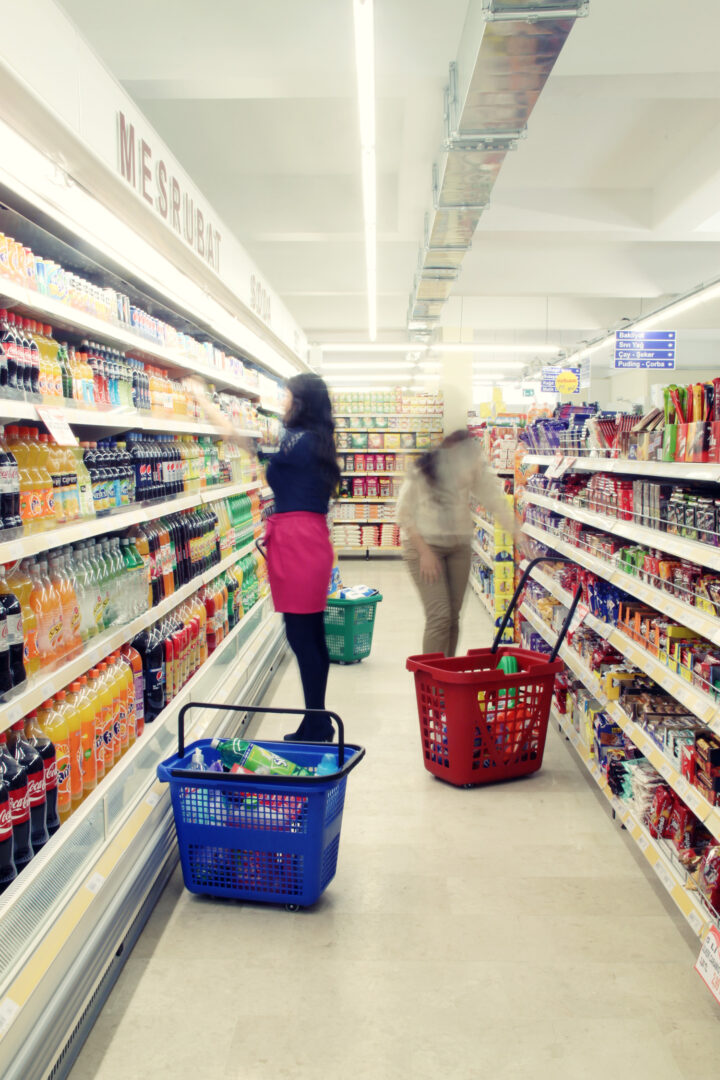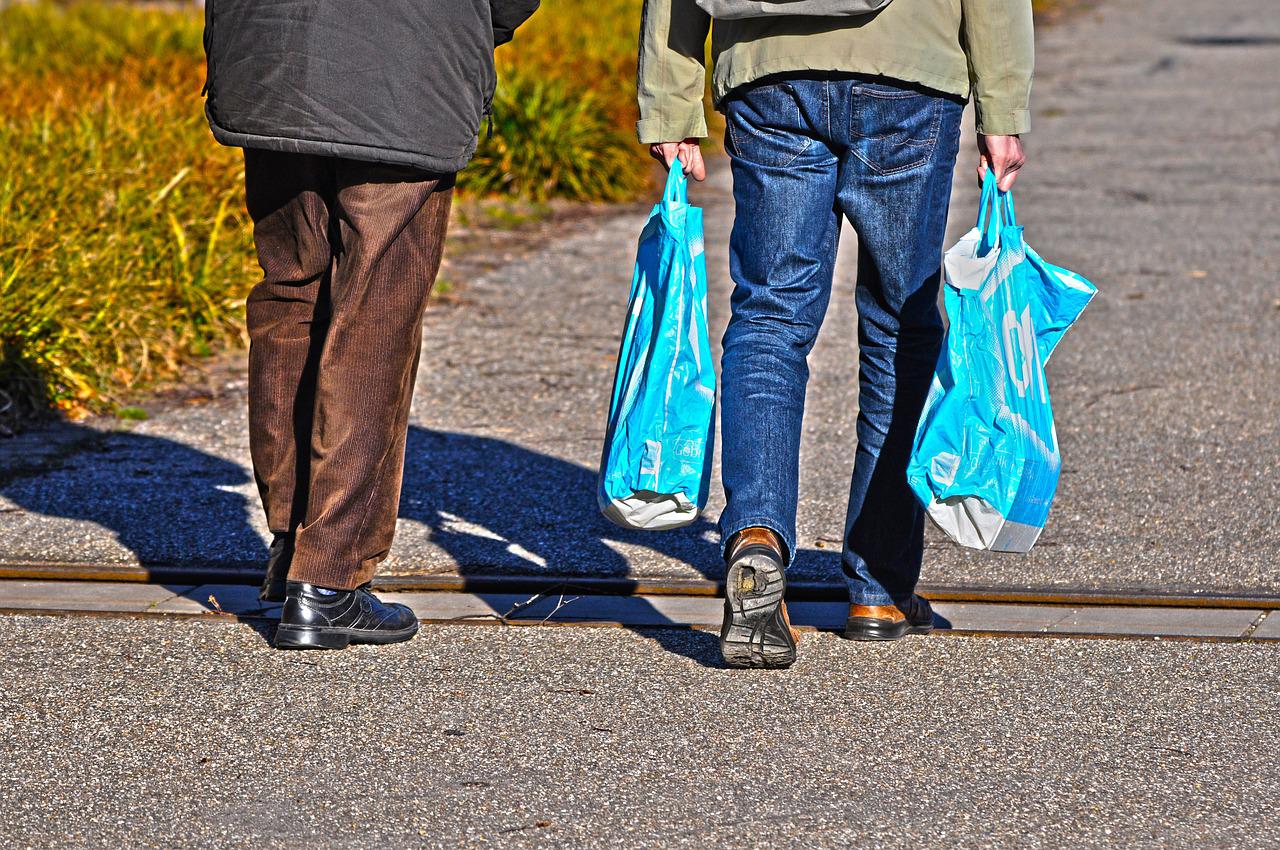
What is reusable packaging?
Reusable packaging, returnable packaging, reusable transport items (RTI), and returnable transport packaging (RTP) can be used several times serving the same purpose for which they were originally designed, for serving a different purpose.

Reusable vs. single-use packaging:
A reusable glass bottle produces:
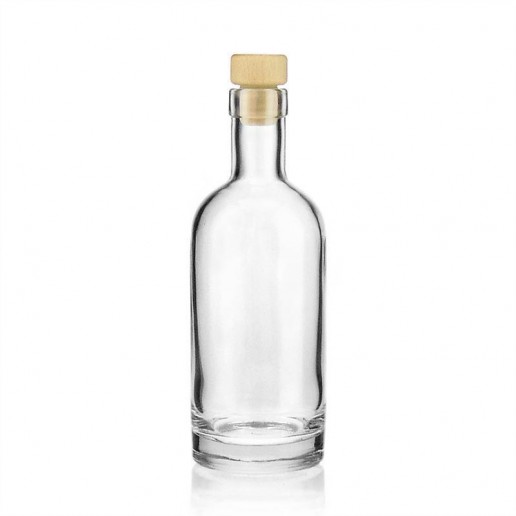
85% less carbon emissions than a one-use bottle
75% less than PET plastic
57% less than aluminum
A reusable plastic box produces:

88% fewer carbon emissions than a single-use cardboard box
64% fewer emissions than a box made of mixed materials
5% fewer emissions than a wooden box.
ReBasket reusable plastic basket produces:

99,5% fewer CO2 emissions than a single-use plastic or paper bag
95% savings in bags and resources
10 000 times reusable
START SAVING WITH REBASKET HERE
The Benefits :
- Improved corporate image
Consumers are concerned about benefits to the planet. They expect companies to do the same to be in their good graces. They are eager to see companies take more initiative and be more eco-responsible. This will improve their image among customers.
- Significant financial and storage space saving
In the long-term it saves money since the RTPs can be used a hundred times without losing their value. Often designed to optimize space as it can be stacked and/or folded, reducing its volume by about 80%. This is a significant percentage that allows for the optimization of storage space.
- Reduction of the environmental impact
Ecologically friendly, RTPs are made from recyclable materials. In other words, companies reduce their negative externalities. A negative externality refers to all kinds of negative effects on society, generated by production or consumption activities.
- Use of safer and faster packaging
Reusable Transport Packaging can be used and checked several times without damaging the contents of the container. This makes it easier and faster to inspect the goods.
Consumer and government action vs Companies response :
Consumers of the world
Today’s French youth are very concerned about environmental impact, with 69% willing to pay more for greener products.
A survey of 7,000 Europeans found that French people in their twenties are very concerned about the planet, with 84% saying they are willing to pay more for greener products.
According to another study conducted on the other side of the Atlantic, it has been proven that almost 70% of the American population is ready to pay more for environmentally friendly consumption, just like the French.
Government
Regulatory organisations around the world are adopting various approaches to reduce and manage packaging waste.
Examples of regulations:
- Current regulation
– Recent actions/next steps in sustainability regulation
Australia:
- Focus on optimising packaging recovery and recycling.
– Target: 100% of packaging is recyclable, compostable or reusable.
China:
- Ban/limit on packaging waste imports in 2017.
– Proposal: ban single-use plastic bags by 2022.
India:
- Legislation favours recyclable substrates and formats.
– Encourage more awareness campaigns.
Canada:
- Pan-Canadian Sustainable Packaging Strategy.
– Implementation of the Zero Plastic Waste Strategy (adopted in 2018), with a 2030 objective.
European Union:
- Packaging and Waste Directive.
– Implement a ban on certain single-use plastics.
United States:
- Major jurisdictions implementing plastic bag bans.
– Introduction of bills to reduce single-use packaging waste.
Companies reaction
In response to consumer expectations, French retailers raise a fund of 3.4 M% per year to invest in greener products and packaging. Companies are aware of consumers’ motivation to buy green. This transition is not the easiest, a study questioned European retailers on their ecological approach to plastic packaging on the environment.
In order to meet consumer demand, 75% of their marketing managers claim to spend on “better” materials
Despite the efforts of 88% of retailers to improve things
Only 13% of the efforts mentioned in their process will see the light of day
As 53% of European companies find it very difficult to negotiate with multiple supply chain actors on this issue
Especially as 90% of consumer opinions influence the topics discussed at retailer and manufacturer/supplier meetings.
Returnable packaging :
Denmark has long been a leader with the plastic bag tax passed in the 90s. The Danes still use 460 million plastic bags per year.
“No need to panic !”
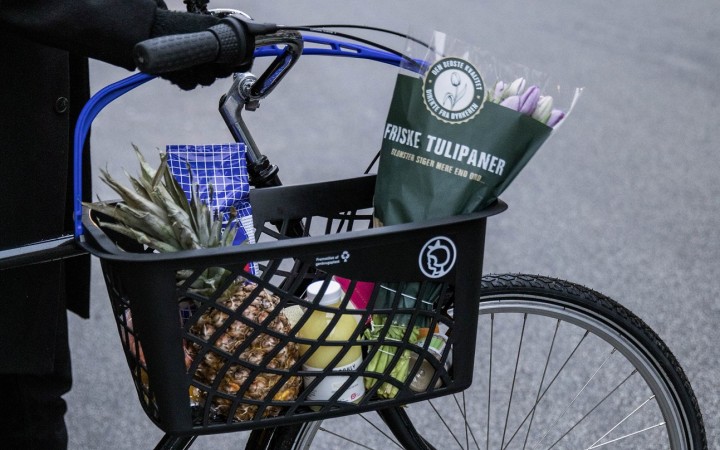
In most of its supermarket chains single-use plastic bags have been completely phased out and replaced by multi-use plastic bags. At IRMA, a large Danish supermarket, in addition to the multi-use plastic bags, the option of returnable packaging has been introduced in shops.
Their aim is to stop buying to throw away, seeking to contribute to the reduction of plastic bag usage. COOP and IRMA have therefore decided to introduce returnable baskets at a cost of about €7 that customers take with them.
Many customers forget their reusable bags and are therefore forced to opt for plastic bags. COOP and IRMA have found a solution to avoid single-use plastic, which is to leave with a refundable basket once returned to the shop.
Customers decide whether to keep the basket and reuse it or return it and get a refund. If the basket is returned it will be reused a hundred times until its life cycle is complete. Once its life cycle is over, the basket is sent to a recycling station.
In Europe, laws and/or conventions have been put in place with the aim of reusing plastic packaging and recycling it.
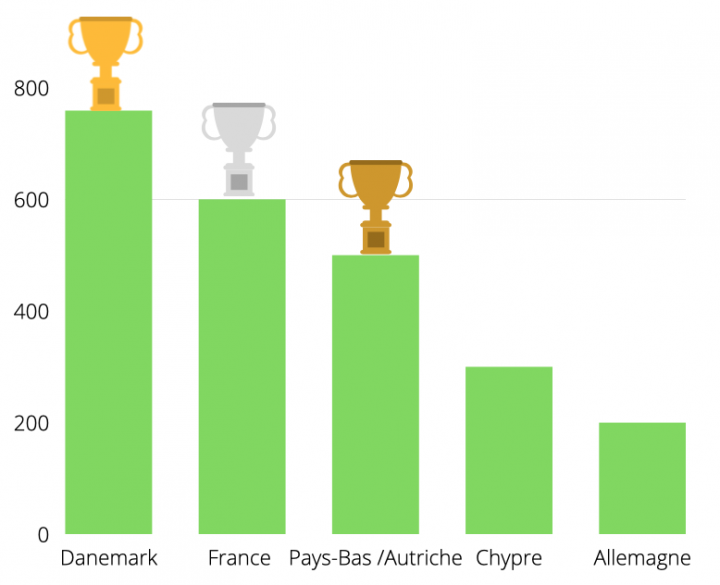
All European countries, except for Cyprus and Malta, have significantly under-achieved their goals, with 19 countries recycling 7.5% more than the EU minimum objective of 22.5%.
In 2014, Denmark led the way with 759kg of packaging sorted and recycled per person.
France, Ireland, Austria, and the Netherlands were given the second and third place with a production of 500 and 600kg per person.
Far behind we find Cyprus, Germany, and Luxembourg.
Returnable packaging can be in the form of:
- Our exclusive ReBasket → CHECK IT HERE
- Pallets
- Racks
- Bulk
- Containers
- Hand-held containers
In which sector do we generally find returnable packaging to limit waste
- Food/Beverage
- Automobile
- Pharmaceutical
- Appliance
- Aerospace
- Electronics
Advantages of returnable packaging
More ease and speed in packing
- Minimize packaging costs
- Cut waste of packaging materials
- Reduce handling damage
- Can be used in conjunction with automated equipment
- Packaging is consistent and repeatable
- Can be cleaned and often complies with clean room standards
- Can help simplify manual and automated product tracking